Railroad Ballast in Pennsylvania: Stone for Ground That Stays Wet
For a Pennsylvania barn or equipment pad, trapped water beneath the base can bring fines upward after freeze and thaw. Railroad Ballast leaves an open foundation layer.
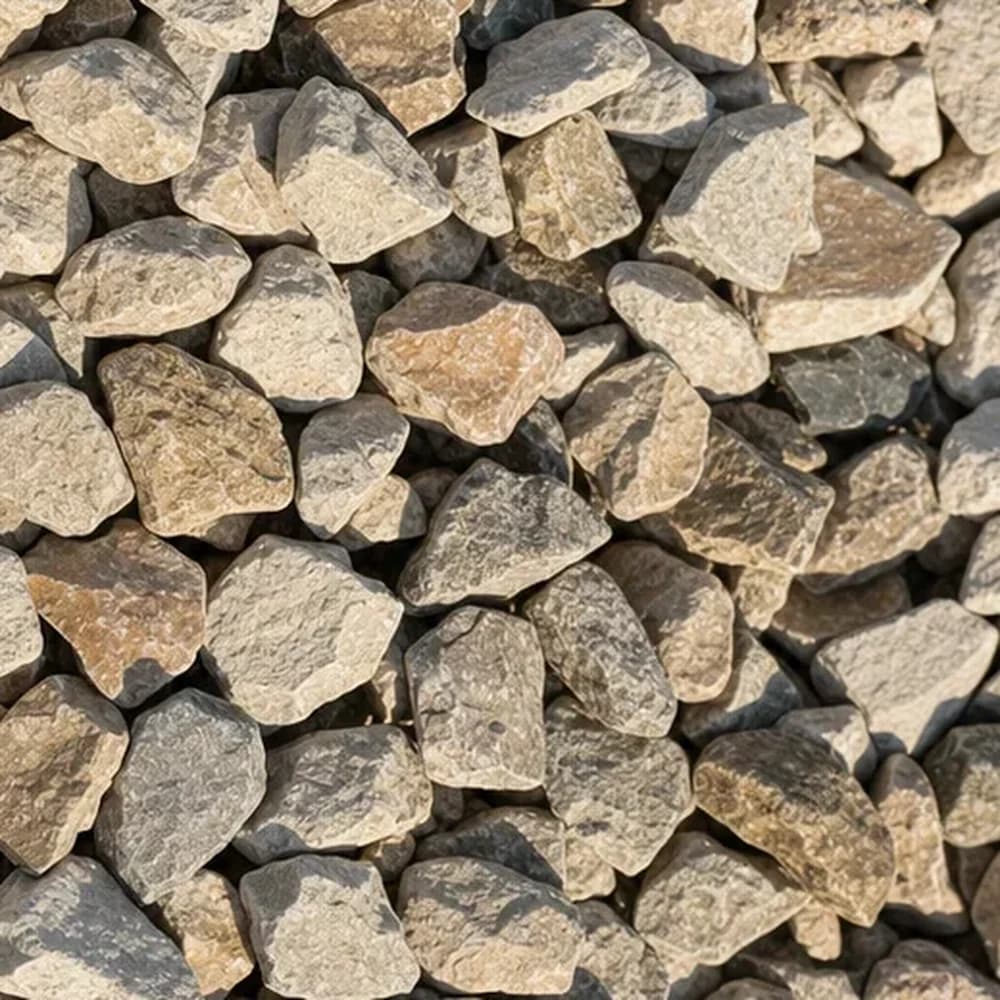
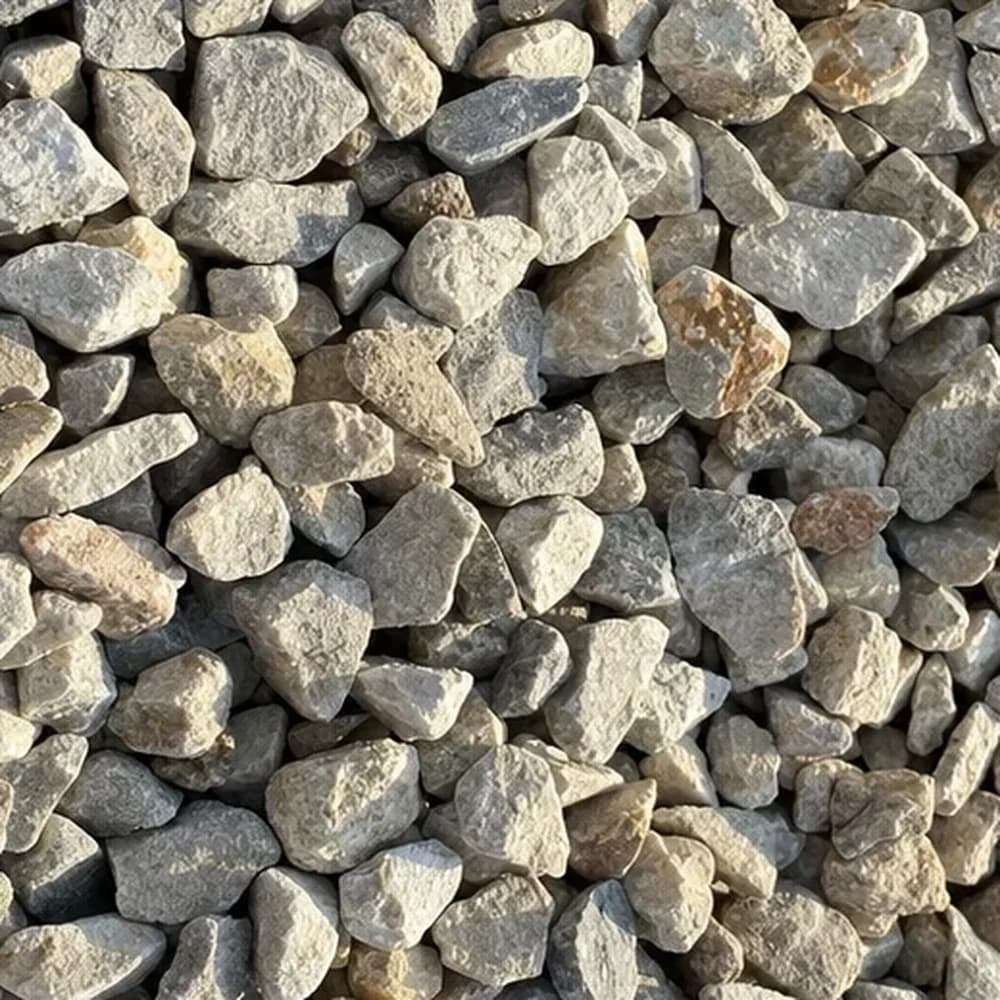
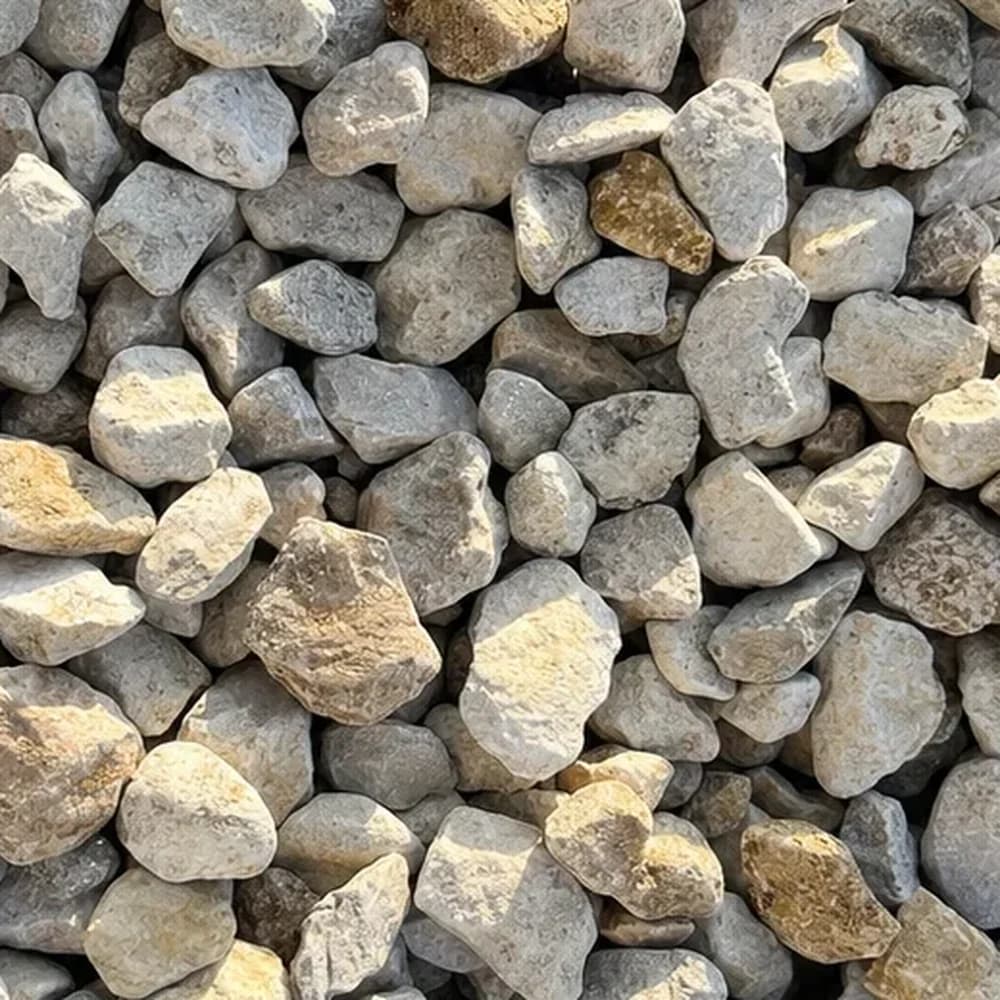
- Size: Roughly 1 inch to 2.5 inches
- Grading: Graded to interlock under load while draining freely
- Type: Large angular crushed stone
From $431 for 1 ton, delivery included (larger loads cost significantly less per ton)
Free delivery included
Free delivery anywhere in Pennsylvania
Pick a delivery date
Weekday delivery, earliest Oct 30
“Needed railroad ballast delivered and this company made it super easy. Ordering was no hassle, and the load showed up when they said it would. Really happy with the whole thing and would definitely use them again.”
Chris M. · Verified Buyer
Get a Free Quote
Fill out the form and our sales team will get back to you within the hour.
Size and Grading
- Size
- Roughly 1 inch to 2.5 inches
- Grading
- Graded to interlock under load while draining freely
- Type
- Large angular crushed stone
On the Lake Erie plain the calendar decides this job. Lake-effect snow piles up through the winter, the melt runs across flat ground sitting on dense till that will not take it, and the low parts of a yard stay soft well after the snow has gone. There is a window that opens once the ground has drained and closes when the autumn rain sets in, and that window is when ballast gets spread on the wet stretch everyone has been driving around since November.
The soft stretch of access route that gets railroad ballast first
Ballast goes where a finer base would simply vanish. A farm lane crossing a low wet section, an equipment or container pad, a yard corner that ruts every time a loaded truck crosses it: these are the jobs. The stone runs roughly one inch to two and a half inches, angular and crushed, graded so the pieces interlock under load while water passes straight through between them.
Two things happen when a lift of it goes onto soft ground. The large pieces bridge across the weak material instead of pressing into it one at a time, and the voids give water a route sideways out of the structure rather than a place to sit. Neither happens with a fine base, which is why a dense-graded layer laid straight onto a wet subgrade turns into a rutted mess by the second season.
What this size does over flat ground that holds water
The lake plain is old lake and stream deposits over shale and siltstone, laid out in low ridges, and the flat ground between them drains slowly. Frost commonly reaches about 42 inches here, set by each municipality, deeper than almost anywhere else in the state. Nobody is building a yard below that, so the available strategy is keeping water out of the layer that carries the load, and an open stone lift is the most direct way of doing it.
What ballast will not do is finish flat. It is not a compactable surface and it should not be asked to be one. Wheel it and a tire finds a gap; walk it and an ankle does the same. The live product information puts it plainly: it belongs in the lower, open section of the build, with a finer compactable layer above when the job needs a surface.
Laying it deep and keeping silt out of the voids
Strip the soft material off rather than burying it. Lay a separation geotextile over the subgrade, because on till ground the fines will otherwise work up into the stone under traffic and fill the voids you paid for. Tip the stone onto the fabric from the edge and push it forward with a machine rather than driving on the subgrade.
A lift of 8 inches is a reasonable working figure for a wet access route on a domestic or small farm scale, and a badly failed section can take more. Level it with a bucket, run a machine over it a few times to settle the pieces into contact, then put the compactable layer over the top if there is one. Keep the finished level slightly proud of the surrounding ground and make sure water leaving the stone has an outlet, because an open layer with a blocked edge is just a buried pond.
What #4 stone or modified would do in the same wet stretch
Three materials get considered for the same failing patch, and the differences are worth stating.
#4 Crushed Stone, at about 3/4 to 1-1/2 inches, is the nearest alternative and behaves similarly. It is slightly smaller and easier to handle by hand, which makes it the better pick on smaller jobs and in gabions; ballast is graded to hold up under heavier repeated loading.
2A Modified is the compactable base, and on its own over wet ground it is the material most likely to disappoint. It works over the ballast, not instead of it.
2B Stone is the clean three-quarter stone. It drains well and shovels easily, so it wins for trench work and wall backfill, but it lacks the size to bridge soft ground under a heavy load.
Tons for a 70 foot route, a low corner and a culvert apron
Hypothetical examples. Square feet times depth in feet, divided by 27, gives cubic yards. This site publishes ballast and #4 stone at about 2,900 lb per cubic yard, which is 1.45 tons per yard, and clean three-quarter stone at about 2,800 lb, or 1.40 tons.
| Example job | Material | Working | Cubic yards | Tons |
|---|---|---|---|---|
| Access route 70 ft x 12 ft at 8 in | Railroad Ballast | 840 sq ft x 0.667 ft = 560 cu ft; 560 / 27 | 20.7 | 30.1 |
| Low yard corner 25 ft x 20 ft at 6 in | Railroad Ballast | 500 sq ft x 0.5 ft = 250 cu ft; 250 / 27 | 9.3 | 13.4 |
| Culvert outlet apron 10 ft x 8 ft at 12 in | Railroad Ballast | 80 sq ft x 1 ft = 80 cu ft; 80 / 27 | 3.0 | 4.3 |
| Foundation drain 40 ft x 18 in wide x 2 ft deep | 2B Stone | 1.5 ft x 2 ft x 40 ft = 120 cu ft; 120 / 27 | 4.4 | 6.2 |
That last row is on the table deliberately. A French drain against a house is not a ballast job: the trench is narrow, the stone has to surround a pipe, and clean three-quarter stone does that properly. Measure your own areas and put them through the stone calculator, which holds the same weights and takes several areas at once.
Landing a heavy load at the far end of a lake plain lot
Thirty tons is several truckloads and a lot of stone to move twice, so plan the drop before the date. The truck needs a firm approach, a level spot to tip on, room to reverse and clear height overhead, and on this ground firm means after the yard has dried out rather than during the melt. Have the machine on site the day the load lands.
Choose the quantity and the delivery date on this page, with delivery arranged at checkout from your ZIP code. Where the route in crosses a soft field entrance or a narrow culvert crossing, tell Pennsylvania Rock Supply through Contact before booking rather than leaving the driver to judge it.
Quickly Calculate How Much You Need
Material: Railroad Ballast
How to Measure
Measure the length and width of your project area in feet
Decide on depth in inches (2" for landscaping, 4" for driveways)
Enter the values above and we'll calculate the tonnage you need
Need help figuring out the right amount? We can help!
Call or text us at (412) 449-9626 and we'll help you calculate the right quantity for your project.
Not sure how much you need? The Stone Calculator has depth guides, coverage charts and worked examples for this material.
Frequently Asked Questions About Railroad Ballast
Customer Reviews
Went with this company for railroad ballast, and the pricing felt fair for what I got.
Tara T. · Reading, PA · Verified Buyer
Needed railroad ballast delivered and this company made it super easy. Ordering was no hassle, and the load showed up when they said it would. Really happy with the whole thing and would definitely use them again.
Chris M. · Philadelphia, PA · Verified Buyer
Needed railroad ballast and ordering from them was quick, plus the driver was friendly and careful about where he placed it.
Michelle W. · Reading, PA · Verified Buyer
Needed railroad ballast delivered and the team made the whole thing easy. They kept me updated the whole time, and the delivery showed up just like they said it would.
Nicole H. · Allentown, PA · Verified Buyer
Went with this company for railroad ballast and ordering was easy from the start. Delivery went smoothly and I'm really happy with how it all turned out.
Susan S. · Reading, PA · Verified Buyer
Railroad Ballast has 5 verified customer reviews with an average rating of 4.8 out of 5.
Railroad Ballast delivery across Pennsylvania
- Philadelphia
- Pittsburgh
- Allentown
- Reading
- Erie
- Upper Darby
- Bethlehem
- Scranton
- Bensalem
- Abington
- Lancaster
- Bristol