RipRap in Pennsylvania: Armor Stone for Ditches, Outlets and Banks
At a culvert outlet or runoff path, RipRap belongs at the exposed ground a Pennsylvania build needs protected from water-driven erosion.
- Size: 4 inches to 12 inches and up
- Type: Large, heavy stone
From $431 for 1 ton, delivery included (larger loads cost significantly less per ton)
Free delivery included
Free delivery anywhere in Pennsylvania
Pick a delivery date
Weekday delivery, earliest Oct 30
“Needed riprap for a rough spot by the driveway, and these guys made it easy. Delivery showed up when they said, and I'm really happy with how it all went.”
Kevin P. · Verified Buyer
Get a Free Quote
Fill out the form and our sales team will get back to you within the hour.
Size and Grading
- Size
- 4 inches to 12 inches and up
- Type
- Large, heavy stone
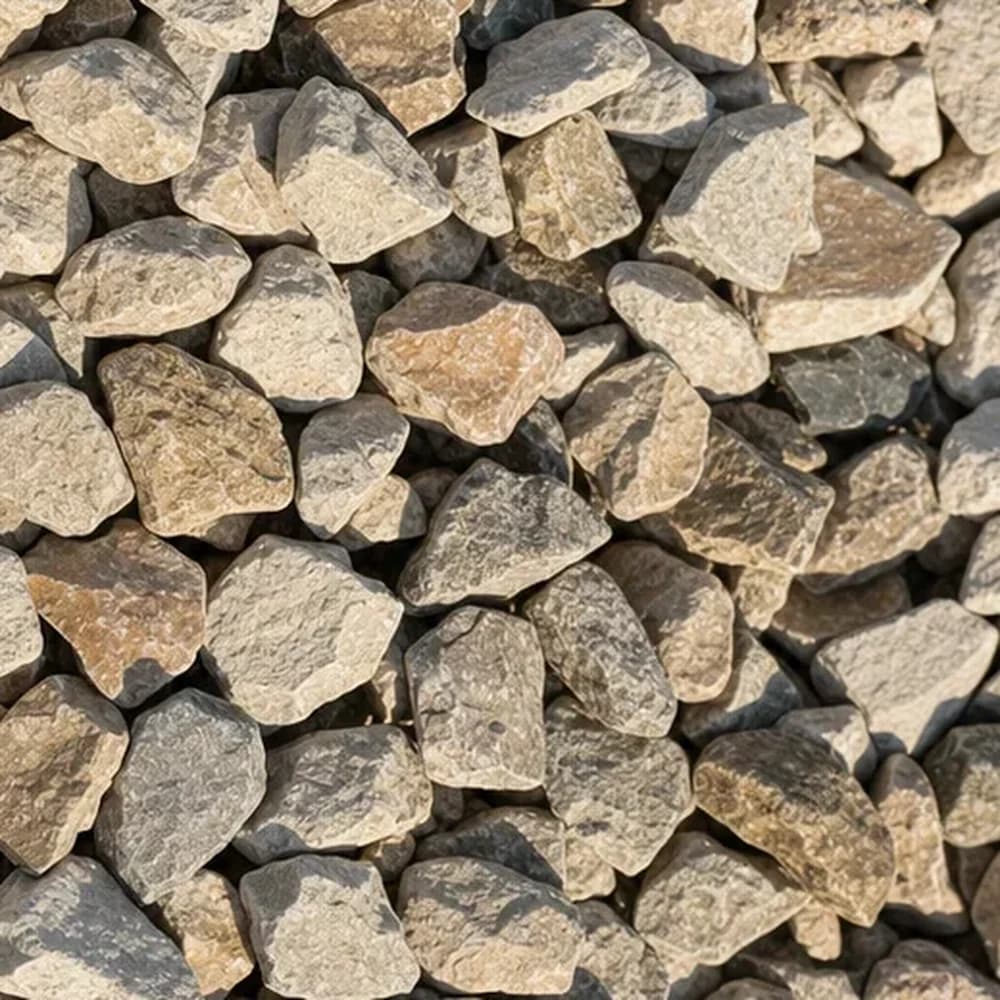
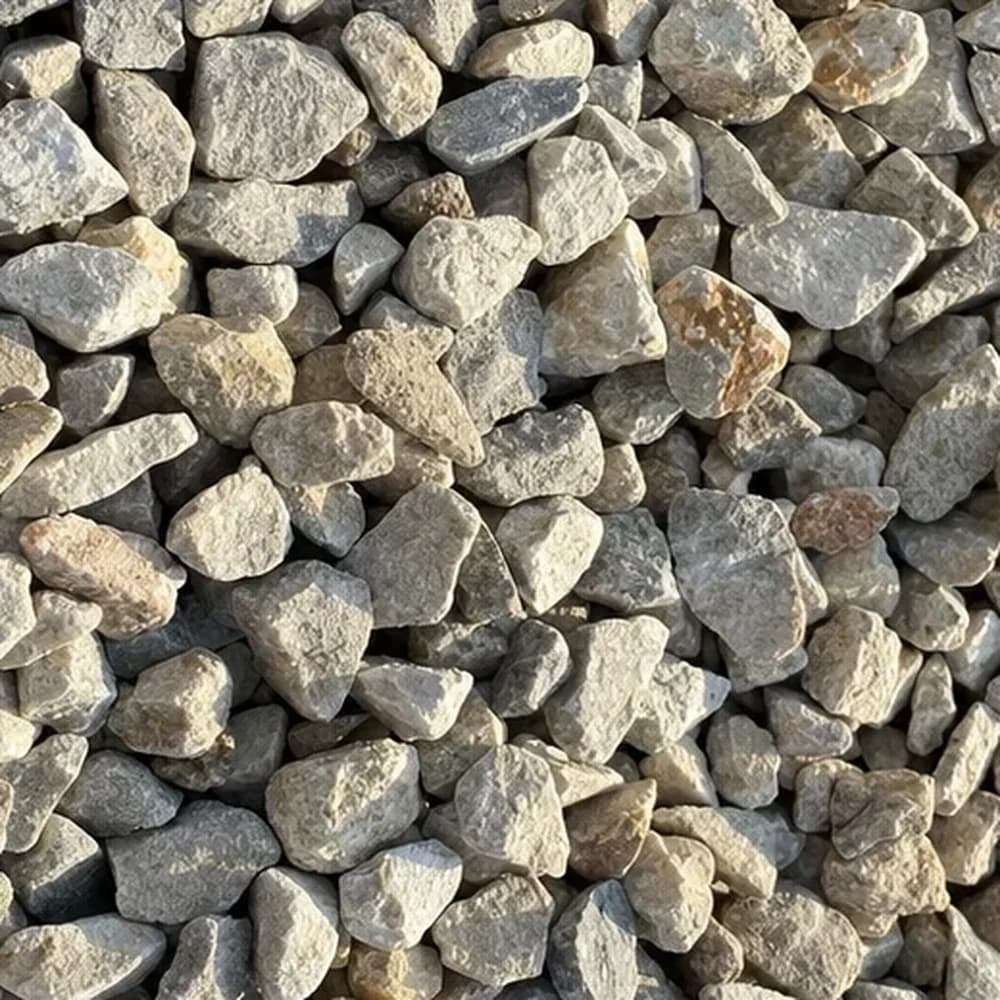
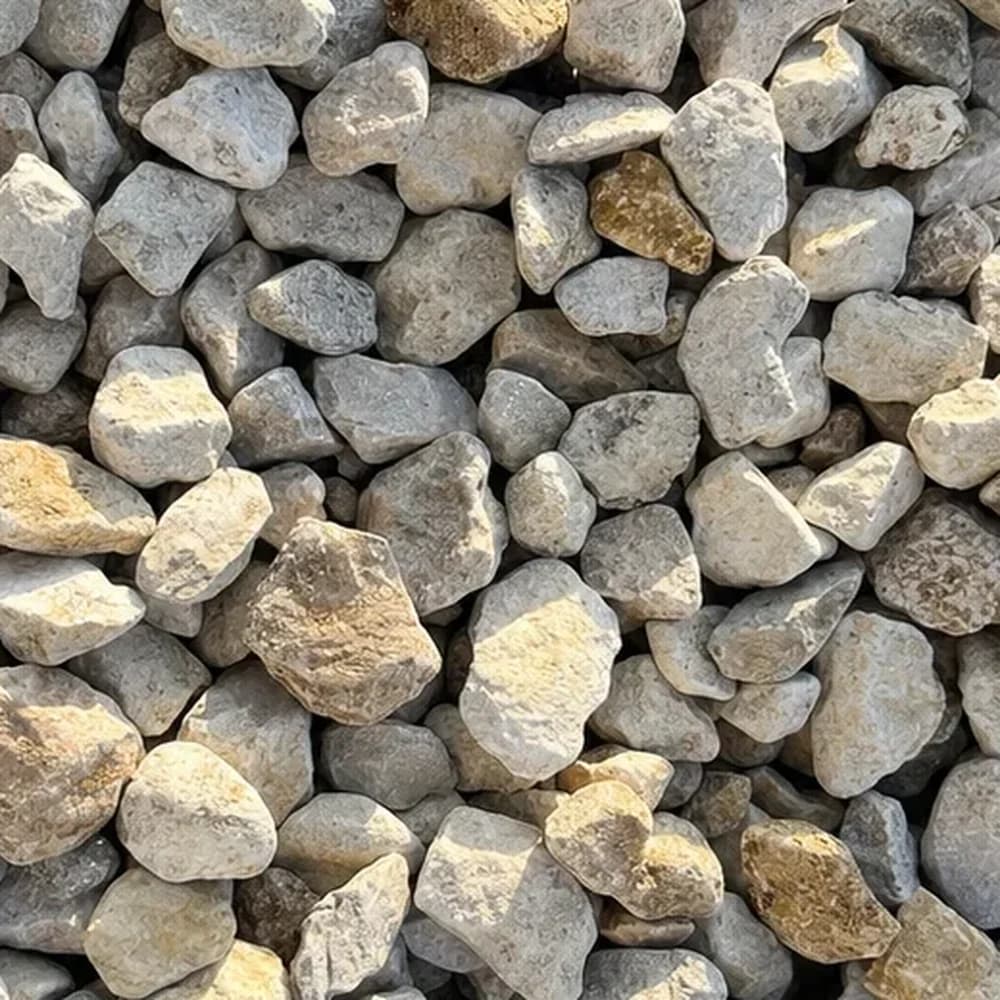
The stone most often confused with this one sits three listings away and is half the reason people order wrong. River rock is smooth, rounded, one to three inches, and it is bought to be looked at. RipRap is angular, four inches to twelve inches and up, and it is bought because something is washing away. On the high plateau and through the Allegheny Mountains, rain and snowmelt run fast off steep valley sides and arrive concentrated in narrow valleys, roadside ditches and culverts, and rounded decorative stone in that flow is gone by the second storm.
Is this the same thing as the large river stone in the next listing?
No, and the difference is in the shape as much as the size. Armor stone is broken rock with flat faces and sharp corners, so pieces wedge against each other and against the ground. Rounded cobble has nothing to wedge against; under moving water it rolls.
Large River Rock is the right answer for a dry creek bed that is decorative and only carries water occasionally. Railroad Ballast is heavy coarse clean stone for hard standing and severe drainage, not for a face that water attacks. #4 Crushed Stone is the large clean stone for construction entrances, subgrade stabilization and underdrains. Where flow is actively cutting at soil, RipRap is the one that stays.
Which riprap R-number fits a ditch, and which fits a stream bank?
Pennsylvania yards and specifications describe rip rap by R-number, and the numbers run with the size of the individual stone. R-4 is the ditch size, used for roadside ditches, swales and smaller channels. R-5 through R-7 are progressively heavier and go on banks, stream banks and anywhere the water has real momentum behind it. That is how the material is specified and sold here rather than a certification held by anything on this site.
The sizing logic is simple enough to reason about. The faster the water and the steeper the face, the heavier each individual stone has to be to stay put, because a single piece is only held by its own weight and its neighbors. Undersized stone on a fast ditch does not fail gradually, it moves in one storm. If the work sits in a stream, a floodplain or a regulated channel, the size will be set for you by the permit rather than chosen off a web page.
Where does it belong on a property with raised beds and a play area?
Three hypothetical jobs on one hillside lot, because the answer changes across twenty feet.
The slope above a run of raised vegetable beds, where runoff from the hill has started cutting into the bank and sliding soil into the beds: that is armor stone work, laid across the face that water actually crosses.
The playground surface itself: not this, and not close. Four to twelve inch rock is the wrong material anywhere people walk, let alone anywhere children fall. What rip rap can do near a play area is armor the outfall or the swale beside it so the surfacing stops washing out.
An RV or boat parking pad: also not this. That is a compacted base job, and 2A Modified is what carries the load. Rip rap only appears at the edge of a pad like that if the ground below it is being scoured by runoff coming off the pad.
How thick does the stone layer have to be?
Thick enough that the stones interlock rather than sit in a single decorative row. Depth here is a placed depth, not a compacted one: you are not rolling armor stone, so the figure you calculate is the loose layer thickness as it lies.
A ditch or a swale usually wants a layer somewhere near the thickness of the largest stones in the mix, and a bank taking heavier flow wants more. A layer one stone thick on smooth ground tends to shift because nothing is keying into anything. Work the stone into the surface as you place it rather than tipping it and walking away, and make sure the armor continues past the point where the water arrives, not just underneath it.
Does anything go underneath it on wet mountain ground?
Usually yes. Water moving through rock will pull the soil out from under it if there is nothing stopping that, and then the stone settles into the hole it created.
A geotextile filter fabric between the soil and the stone is the standard answer, laid up the slope and past the edges of the armored area. On some jobs a graded stone filter layer is used instead or as well, with a smaller clean stone between the fabric and the armor. Either way, the toe matters most. Water undercuts the bottom of a slope first, so the stone has to start below the level the flow can reach, not at it. And the top and side edges want to be keyed into undisturbed ground, because a loose edge is where the next storm starts unpicking the job.
How do I work out the stone for 70 feet of ditch and a culvert apron?
Hypothetical examples. Measure the face you are covering, not the ground plan, then multiply by the layer thickness in feet and divide by 27.
| Example job | Working | Cubic yards |
|---|---|---|
| Ditch 70 ft long, 6 ft across the face, 12 in thick | 420 sq ft x 1 ft = 420 cu ft; 420 / 27 | 15.6 |
| Culvert apron 12 ft x 10 ft, 12 in thick | 120 sq ft x 1 ft = 120 cu ft; 120 / 27 | 4.4 |
| Slope above the beds, 30 ft x 8 ft face, 9 in thick | 240 sq ft x 0.75 ft = 180 cu ft; 180 / 27 | 6.7 |
Turned around, one cubic yard covers about 27 square feet at 12 inches, or about 36 square feet at 9 inches. For a bank that is not a neat rectangle, break the face into rectangles and triangles, work each one and add them. A triangle is base times height divided by two. At the weight published on this site's calculator pages for rip rap and armor stone, about 3,100 lb per cubic yard or roughly 1.55 tons per yard, the ditch comes to 15.6 x 1.55, approximately 24.2 tons, and the culvert apron to 4.4 x 1.55, approximately 6.8 tons. Because armor stone is bought by weight, take the cubic yards through the rip rap calculator for the tonnage, and remember that the face of a slope is longer than its footprint, so measure up the slope rather than across the map.
Setting R-4 by hand against hiring a machine for R-7
Both happen. Small jobs get placed by hand: a short apron, a few feet of bank, stone in the four to six inch range that one person can lift and set. The advantage of hand placement is that you can key each piece against its neighbors, which is exactly what makes the layer hold.
Larger stone and larger areas want a machine, and a bucket lets you build the toe properly before working up the face. Either way the load has to land somewhere the truck can reach and reverse out of, which on a farm lane in the mountains is often not the same place as the water. Delivery is arranged at checkout by ZIP code, so pick the quantity and date on this page once the yardage is settled, and send anything about access or a soft lane through Contact beforehand.
Quickly Calculate How Much You Need
Material: RipRap
How to Measure
Measure the length and width of your project area in feet
Decide on depth in inches (2" for landscaping, 4" for driveways)
Enter the values above and we'll calculate the tonnage you need
Need help figuring out the right amount? We can help!
Call or text us at (412) 449-9626 and we'll help you calculate the right quantity for your project.
Not sure how much you need? The Rip Rap Calculator has depth guides, coverage charts and worked examples for this material.
Frequently Asked Questions About RipRap
Customer Reviews
Needed riprap for a rough spot by the driveway, and these guys made it easy. Delivery showed up when they said, and I'm really happy with how it all went.
Kevin P. · Bethlehem, PA · Verified Buyer
Needed riprap for a washout spot on my property and the team made the whole order pretty easy. Pricing was fair and the riprap showed up looking good, definitely felt like a good value.
Maria F. · Pittsburgh, PA · Verified Buyer
Had riprap delivered by Pennsylvania Rock Supply and everything went smooth. They kept me updated the whole time, and I'm really happy with how it turned out.
Megan R. · Scranton, PA · Verified Buyer
Had riprap delivered by this company and everything showed up right when they said it would. Price was fair too, definitely felt like good value.
Gina P. · Philadelphia, PA · Verified Buyer
Ordered riprap from this company and it showed up right when I needed it. The free delivery was a nice bonus, and I'm really happy with how everything turned out.
Mark B. · Philadelphia, PA · Verified Buyer
RipRap has 5 verified customer reviews with an average rating of 4.8 out of 5.
RipRap delivery across Pennsylvania
- Philadelphia
- Pittsburgh
- Allentown
- Reading
- Erie
- Upper Darby
- Bethlehem
- Scranton
- Bensalem
- Abington
- Lancaster
- Bristol