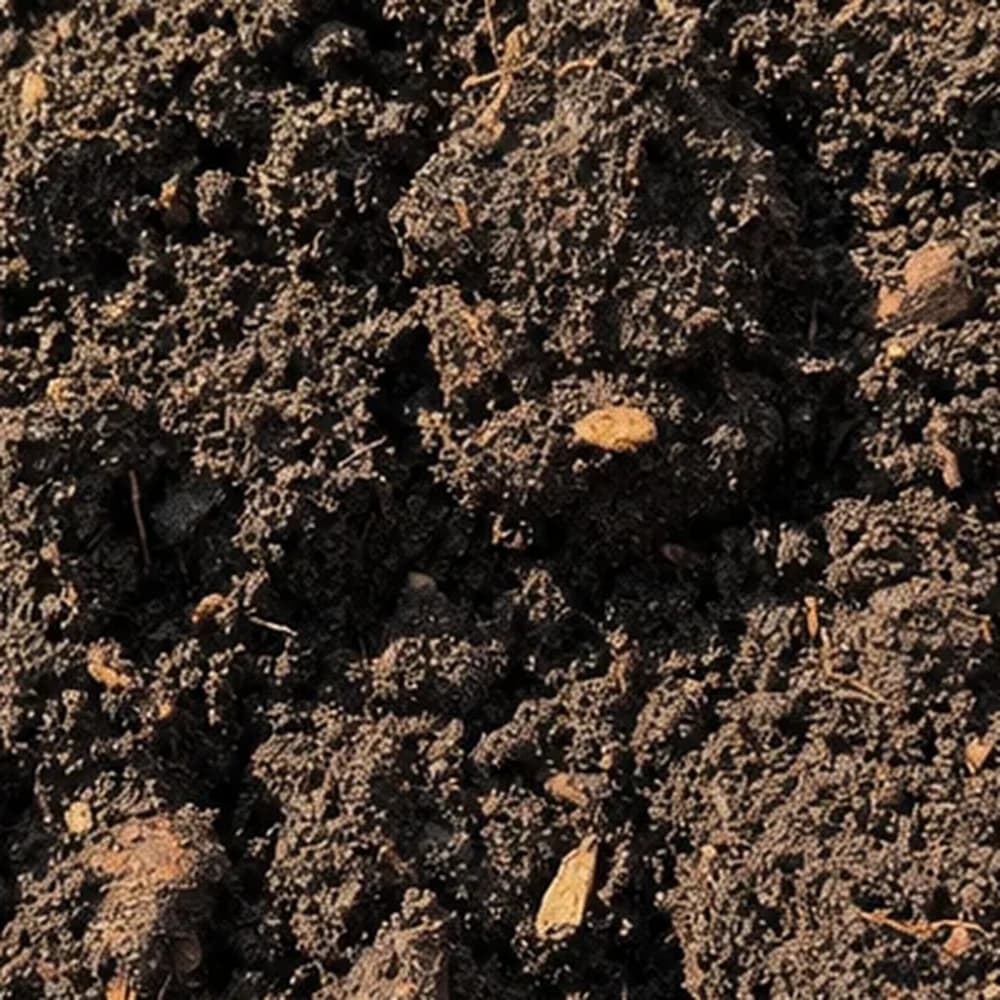
Top Soil in Pennsylvania: Screened Soil for Lawns, Beds and Low Spots
Following freeze-thaw weather, Top Soil helps Pennsylvania restore a clean growing surface for lawn areas, gardens, and flower beds.
- Size: Screened; free of rocks, debris and large clumps
- Grading: Balanced sand, silt and clay
From $386 for 1 ton, delivery included (larger loads cost significantly less per ton)
Free delivery included
Free delivery anywhere in Pennsylvania
Pick a delivery date
Weekday delivery, earliest Oct 30
“Went with Pennsylvania Rock Supply for top soil, fair price and the delivery was smooth.”
Tony L. · Verified Buyer
Get a Free Quote
Fill out the form and our sales team will get back to you within the hour.
Size and Grading
- Size
- Screened; free of rocks, debris and large clumps
- Grading
- Balanced sand, silt and clay
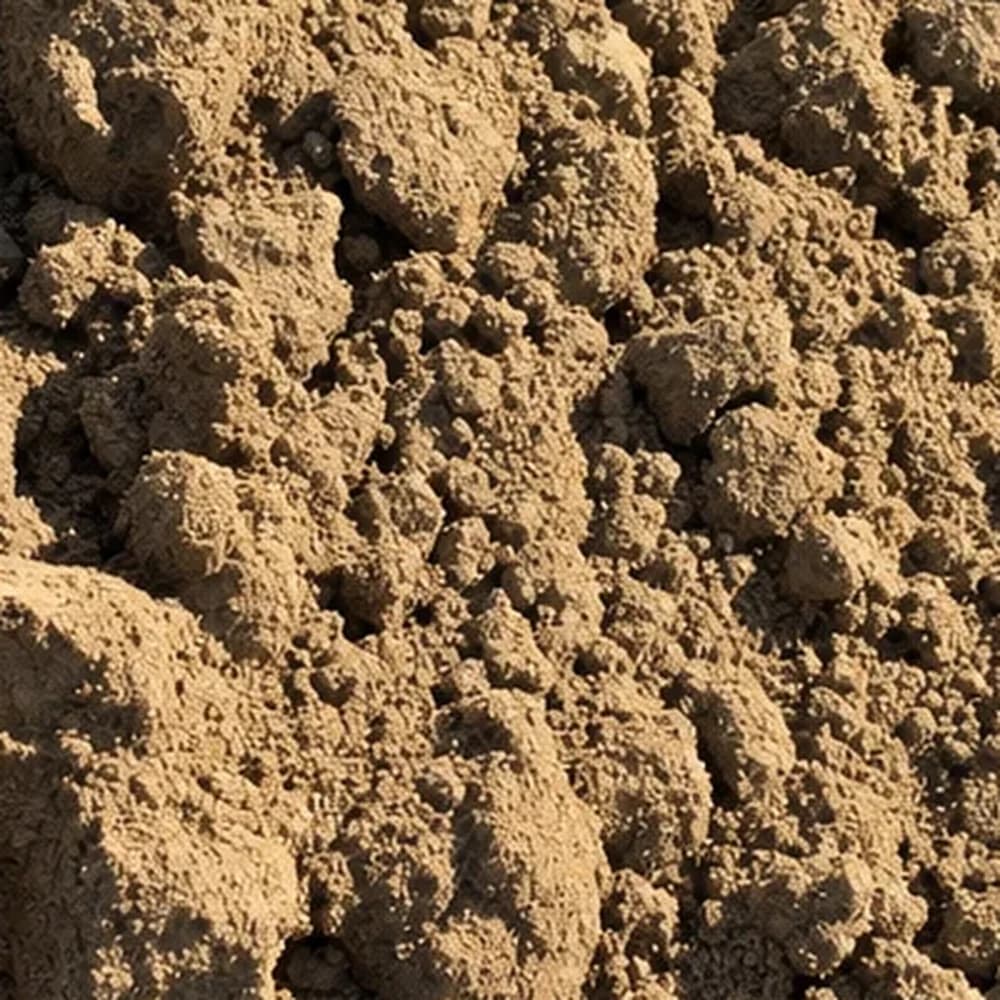
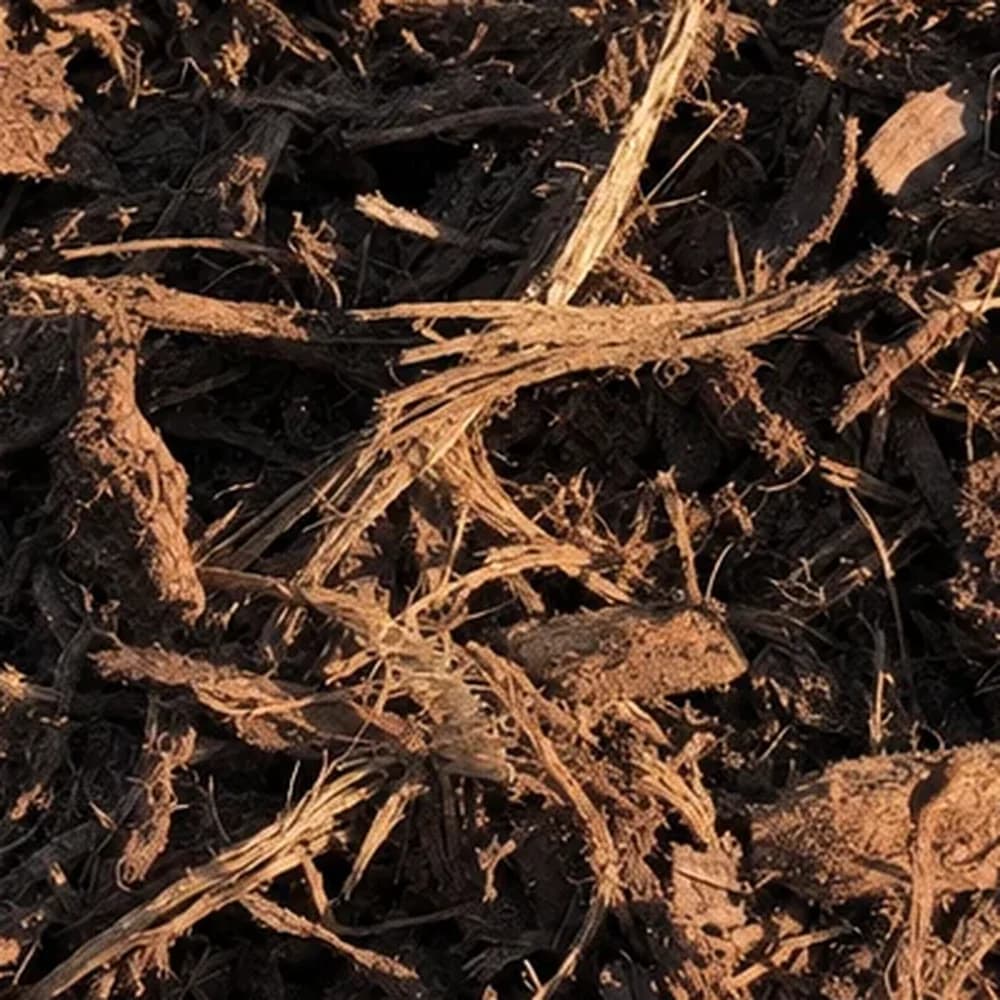
Three products on this site are brown, arrive by the yard and get ordered by people who wanted one of the other two. Top soil is the growing layer, screened free of stones, roots and clumps, meant to sit at the surface where things have to root into it. Fill dirt is subsoil for making up grade and is not meant to grow anything. Garden soil is a richer planting mix for beds and raised boxes. Pick the wrong one and you either pay growing-soil money to fill a hole or ask a hole-filling material to raise a lawn.
Top Soil, Fill Dirt and Garden Soil are three separate orders
| Product | What it is | Where it belongs |
|---|---|---|
| Top Soil | Screened, balanced blend of sand, silt and clay | The top few inches of a lawn, a regrade or a bed |
| Fill Dirt | Subsoil for bulk grade work | Underneath, raising a low area or backfilling |
| Garden Soil | Richer planting medium | Raised beds and planting areas |
The practical rule on a deep job: fill dirt does the volume, top soil does the last few inches. Filling an eighteen-inch hollow entirely with screened soil is expensive, and it settles more than the subsoil around it, which is how a leveled yard turns into a saucer by the following spring.
Screened soil over Piedmont schist loam and red shale clay
Across the southeast the native ground is mixed. Uplands carry loamy soils weathered from schist and gneiss, the lowlands run to red shale and sandstone, and the limestone valleys weather to heavy clay. A strip along the Delaware River is loose sand and gravel instead of rock. Each of those takes an imported soil layer differently, and clay takes it worst.
The failure mode is always the same. A few inches of fine screened soil goes onto a compacted clay surface that was never broken up, roots reach the boundary, find a dense pan and stop, and water sits at the interface through every spring rain and freeze-thaw cycle. The soil layer is fine. The line underneath it is the problem.
Loosening the crust underneath so roots can get past it
Before any soil arrives, get a fork, a rake or a tiller through the top few inches of what is already there, especially on clay or on ground a machine has been driving over. You are not cultivating a seedbed, you are breaking the boundary so the new layer and the old one knit together. Rake the imported soil into that loosened surface at the join rather than laying it on like carpet.
Grade it away from the house while you are there. Heavy summer storms and spring rain are the drivers around Philadelphia and the lower Delaware River ground, and municipal stormwater rules mean the water has a route it is supposed to take. Over limestone, concentrated runoff from roofs, gutters and drives is what opens sinkholes, so a regrade that dumps everything into one corner is not a neutral choice.
The low spot that keeps drowning the grass
The most common order here is a yard that ponds. Somebody has a hollow between the house and the fence where the mower sinks in May and the grass dies out by July. The fix is not more grass seed, it is grade.
Work out how deep the hollow is at its worst, cut the existing turf out rather than burying it, bring the base up with fill dirt if it is more than a few inches down, then finish with enough screened soil to leave the repaired area slightly proud of the ground around it. It will settle. Planning for roughly an inch of settlement per four to six inches of loose depth is a reasonable working allowance on a hand-spread job, and firming the layer lightly as you go reduces how much of it arrives later.
Capping a drain trench and reseeding a ditch shoulder
Two smaller jobs come up constantly alongside the main one.
A French drain run along a foundation gets backfilled with clean stone, wrapped in fabric, and then it needs a cap so the lawn carries across it. That cap is top soil, four to six inches of it, folded fabric underneath so the soil never works down into the stone. Never fill the trench itself with soil; the whole run stops draining the day you do.
A ditch shoulder or a culvert outlet is a different case. The armoring is RipRap where water actually moves, and screened soil only goes on the shoulders and side slopes outside the flow path, spread thin and seeded straight away so roots hold it before the next storm. Soil placed in the channel washes out and takes the seed with it.
Cubic yards for a 25 by 16 low spot and two smaller jobs
Hypothetical examples, worked as square feet, times depth in feet, divided by 27.
| Example job | Working | Cubic yards |
|---|---|---|
| Low spot 25 ft x 16 ft, 4 in of finished soil | 400 sq ft x 0.333 ft = 133 cu ft; 133 / 27 | 4.9 |
| Capping 45 ft of drain trench, 18 in wide, 5 in deep | 67.5 sq ft x 0.417 ft = 28 cu ft; 28 / 27 | 1.0 |
| Ditch shoulders 70 ft x 5 ft, 3 in deep | 350 sq ft x 0.25 ft = 87.5 cu ft; 87.5 / 27 | 3.2 |
That is a shade over 9 cubic yards across the three, before any settlement allowance. At the weight published on this site's calculator pages for screened topsoil, about 2,200 lb per cubic yard or roughly 1.10 tons per yard, those 9.1 yards come to approximately 10 tons (9.1 x 1.10 = 10.01). Soil is sold by weight, so put the cubic yards through the topsoil calculator for the tonnage before you set a quantity.
Picking a delivery date inside the southeastern season
Spring once the ground has dried, and early fall, are when this material does its best work around here. Soil spread onto saturated ground compacts under the first boot that crosses it, and soil spread in August needs watering you may not want to commit to. Choose the quantity and date on this page, delivery is arranged at checkout by ZIP code, and the truck needs a dump spot with clear access that it can back out of. Lawns bruise easily, so pick the drive or a hard corner rather than the middle of the grass. Anything awkward goes through Contact first.
Quickly Calculate How Much You Need
Material: Top Soil
How to Measure
Measure the length and width of your project area in feet
Decide on depth in inches (2" for landscaping, 4" for driveways)
Enter the values above and we'll calculate the tonnage you need
Need help figuring out the right amount? We can help!
Call or text us at (412) 449-9626 and we'll help you calculate the right quantity for your project.
Not sure how much you need? The Topsoil Calculator has depth guides, coverage charts and worked examples for this material.
Frequently Asked Questions About Top Soil
Customer Reviews
Decided on top soil from this company and I'm happy with how it turned out. They kept me updated the whole time and communication was easy.
Doug I. · Reading, PA · Verified Buyer
Decided on top soil from the team, price was fair and I'd definitely order again.
Jeff L. · Philadelphia, PA · Verified Buyer
Went with Pennsylvania Rock Supply for top soil, fair price and the delivery was smooth.
Tony L. · Reading, PA · Verified Buyer
Got top soil from Pennsylvania Rock Supply and the whole order was no hassle. They kept me updated on the delivery and were easy to get ahold of. Really happy with how it all went.
Bill J. · Scranton, PA · Verified Buyer
Top Soil has 4 verified customer reviews with an average rating of 4.8 out of 5.
Top Soil delivery across Pennsylvania
- Philadelphia
- Pittsburgh
- Allentown
- Reading
- Erie
- Upper Darby
- Bethlehem
- Scranton
- Bensalem
- Abington
- Lancaster
- Bristol