Mason Sand in Pennsylvania: Fine Washed Sand for Joints and Beds
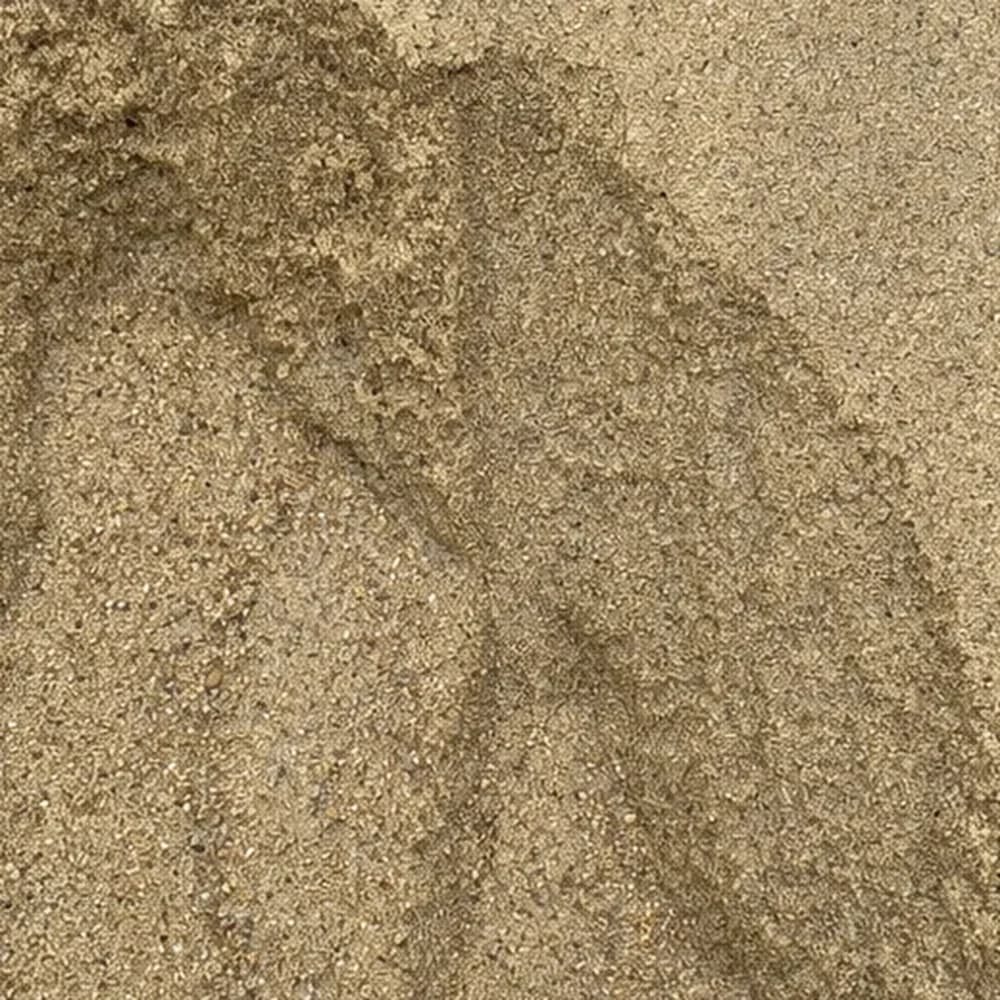
Mason Sand helps Pennsylvania mortar and stucco show a smooth, clean appearance rather than a harsh construction-sand texture. It also suits sandboxes and volleyball courts.
- Size: Ultra-fine, consistent grain size
- Grading: Washed to remove clay, silt and organic impurities
From $474 for 1 ton, delivery included (larger loads cost significantly less per ton)
Free delivery included
Free delivery anywhere in Pennsylvania
Pick a delivery date
Weekday delivery, earliest Oct 30
“Grabbed mason sand from the team and it was great quality, clean and easy to work with. I'd definitely order again and recommend them.”
Heather T. · Verified Buyer
Get a Free Quote
Fill out the form and our sales team will get back to you within the hour.
Size and Grading
- Size
- Ultra-fine, consistent grain size
- Grading
- Washed to remove clay, silt and organic impurities
Most orders for this material start with a job that came out wrong. Mortar mixed with a coarse, dirty sand that left the joints streaky and rough on a Lehigh Valley stone wall. A flagstone path bedded on something gritty that never screeded flat. A sandbox filled with whatever was in the yard, which turned out to have clay in it. Mason sand is the correction: ultra-fine, consistent in grain size, and washed to take out clay, silt and organic matter, so the finish it leaves is smooth and the mix behaves predictably.
The gritty sand that ruins a joint, and why mason sand replaces it
The difference you can see is the wash. Rub a pinch of unwashed sand and it leaves a film on your fingers, and that film is clay and silt. In mortar it interferes with the bond and it throws the color off, which shows up badly when new joints sit beside old ones on a repointed wall. In a paver joint it turns to mud and then to a weed bed. In a sandbox it stains hands and clothes.
The difference you can feel is the grain. This sand is fine and even, so it screeds to a flat surface and packs into a narrow joint without leaving voids. A coarse concrete sand will not do either of those things well, which is exactly why it is a different listing.
Late spring through late fall: when this sand actually gets used
Every job it belongs to runs on the same calendar as the rest of the masonry and hardscape season here. Mortar needs temperatures that let it cure rather than freeze, paver and flagstone work waits until the ground has thawed and dried out, and nobody fills a sandbox in February. Around the Lehigh Valley that window opens in spring and runs into late fall; up in the Poconos it opens later and closes earlier, because snow and soft ground hang on.
Two seasonal habits matter more than people expect. Fine sand holds moisture, so a load that sits out through a cold snap freezes into a block and is no use until it thaws. And joint sand swept into pavers late in the year never quite settles before the first freeze, which is how you end up topping the joints again in April.
What has to be finished before a load of fine sand lands
Sand is a bedding and filling material. It is never the structure, and every failure that gets blamed on it is really a failure of what was underneath.
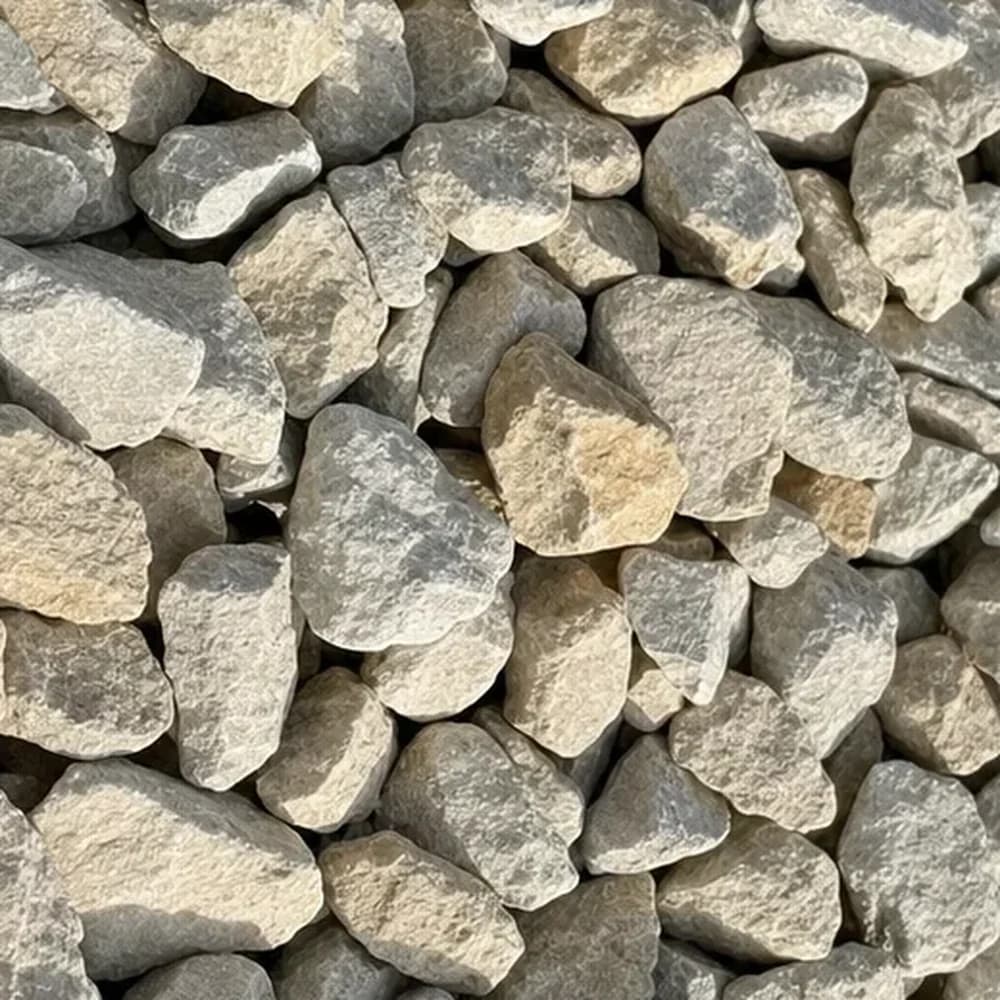
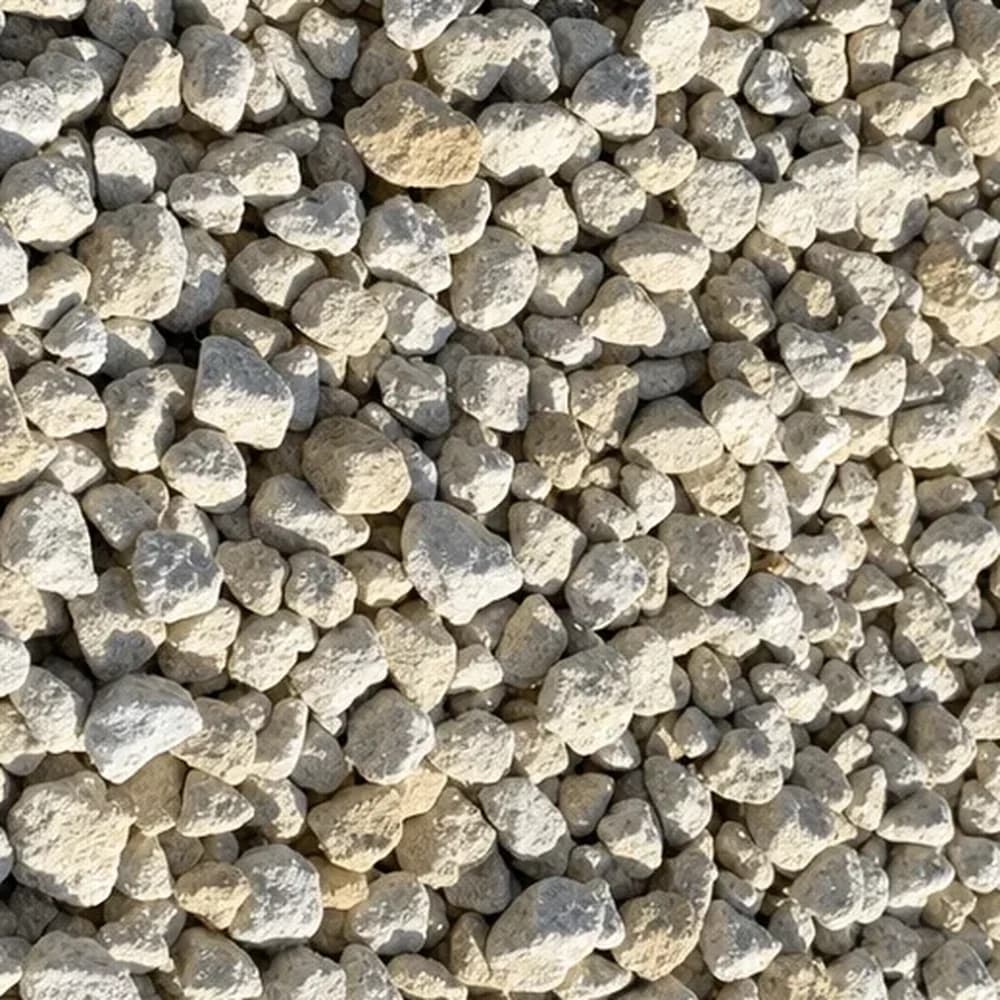
For a patio, an apron or a path, the base goes in first: 2A Modified or Crusher Run, placed in lifts, wetted and compacted, graded to shed water. Freeze-thaw moves a paver assembly when water is trapped in the supporting layers, so that base has to drain before anything fine goes on top of it. Only then does the bedding course go down, screeded thin and flat, with the pavers or flagstones set into it.
For mortar work, the preparation is joint cleaning and a covered, dry place to keep the sand. For a sandbox or a play area, it is drainage underneath and an edge that keeps the sand in.
The work fine washed sand belongs in around a Pennsylvania house
Mortar, stucco and grout take it as the fine aggregate, where even grain size gives a mix that spreads smoothly and works into a joint. Paver and flagstone bedding takes it as the thin leveling layer, and paver joints take it as the fill that locks the field together. Sandboxes, play areas and volleyball courts take it because it is washed and soft underfoot rather than sharp.
Three jobs that come up on the same properties do not take it at all, and it is worth saying so plainly.
- A long rural lane wants a compacted base of modified stone with a surface course over it. Fine sand under vehicle traffic simply displaces, and it will rut with the first wet week.
- A garden path can use this sand, but only as the bedding and joint material under flagstone or pavers. A loose sand path is a footprint collection. If the path is to be loose stone, Walkway Gravel is the listing.
- New lawn prep wants soil, not sand. Topdressing a lawn with fine washed sand over clay ground is a good way to build a layer that seals rather than drains. Top Soil is the material for that job.
Three fine materials that look alike in the pile
| Product | Character | Best use |
|---|---|---|
| Mason Sand | Ultra-fine, even grain, washed | Mortar and stucco, paver joints, bedding, play sand |
| Washed Sand | Coarser, concrete sand | Concrete mixes, leveling and bedding under slabs |
| Screenings | Crushed stone dust and chips under a quarter inch | Paver and flagstone bedding that has to pack firm, pipe bedding |
Screenings are the interesting comparison, because they overlap with paver work. Screenings pack harder and hold a screeded profile better under heavy foot traffic; mason sand is cleaner, finer and more forgiving in a narrow joint. Plenty of hardscapers here use one for bedding and the other for the joints.
Cubic yards for a 55 foot flagstone path and an 8 foot sandbox
Hypothetical examples. Bedding layers are thin, so the arithmetic looks small, and it is easy to over-order.
| Example job | Working | Cubic yards |
|---|---|---|
| Flagstone path 3 ft x 55 ft, 1 in bedding | 165 sq ft x 0.083 ft = 13.8 cu ft; 13.8 / 27 | 0.51 |
| Sandbox 8 ft x 8 ft, 10 in deep | 64 sq ft x 0.833 ft = 53.3 cu ft; 53.3 / 27 | 1.97 |
| Paver apron 12 ft x 14 ft, 1 in bedding | 168 sq ft x 0.083 ft = 14 cu ft; 14 / 27 | 0.52 |
All three together come to about 3 cubic yards. Joint filling is not included in any of them, because joint volume depends on the paver, and most people sweep in whatever is left over from the bedding. At the weight published on this site's calculator pages for mason and washed sand, about 2,700 lb per cubic yard or roughly 1.35 tons per yard, those 3.0 yards are approximately 4 tons in total (3.0 x 1.35 = 4.05), of which the sandbox alone is about 2.7 tons (1.97 x 1.35). Sand is sold by weight, so run the cubic yards through the sand calculator to convert, or use the paver sand calculator for bedding work specifically.
What the first thaw does to a joint that was never swept full
Check the joints at the end of the first winter. Freeze-thaw and rain pull sand down and out, and a half-empty joint lets the paver beside it rock, which then works more sand out. Sweeping the joints full again in spring is a twenty-minute job that prevents a relaying job.
Sandboxes want a cover and a top-up each spring. Bedding under flagstone, if the base underneath was done properly, should not need touching.
When the quantity is settled, pick it along with a delivery date on this page. Delivery is arranged at checkout by ZIP code, and the truck needs clear access to a dump spot it can back out of. Fine sand blows and washes, so choose a sheltered drop on hard ground and cover the pile if it will sit for more than a day. Anything tight or awkward goes through Contact before you book.
Quickly Calculate How Much You Need
Material: Mason Sand
How to Measure
Measure the length and width of your project area in feet
Decide on depth in inches (2" for landscaping, 4" for driveways)
Enter the values above and we'll calculate the tonnage you need
Need help figuring out the right amount? We can help!
Call or text us at (412) 449-9626 and we'll help you calculate the right quantity for your project.
Not sure how much you need? The Sand Calculator has depth guides, coverage charts and worked examples for this material.
Frequently Asked Questions About Mason Sand
Customer Reviews
Went with them for mason sand, and delivery came exactly when expected. Really happy with the whole thing and would order from them again.
Karen H. · Bethlehem, PA · Verified Buyer
Grabbed mason sand from the team and it was great quality, clean and easy to work with. I'd definitely order again and recommend them.
Heather T. · Reading, PA · Verified Buyer
Got mason sand delivered by the team and it was great quality. Really happy with the whole order and would definitely use them again.
Paul A. · Scranton, PA · Verified Buyer
Decided on Pennsylvania Rock Supply for mason sand and it was a really smooth order. Delivery showed up as planned, which made my day a lot easier.
Kelly D. · Philadelphia, PA · Verified Buyer
Had mason sand delivered from Pennsylvania Rock Supply, and it showed up as planned with no hassle.
Ryan L. · Scranton, PA · Verified Buyer
Mason Sand has 5 verified customer reviews with an average rating of 5 out of 5.
Mason Sand delivery across Pennsylvania
- Philadelphia
- Pittsburgh
- Allentown
- Reading
- Erie
- Upper Darby
- Bethlehem
- Scranton
- Bensalem
- Abington
- Lancaster
- Bristol