Bulk Landscape Materials for Lanes, Trenches and Beds
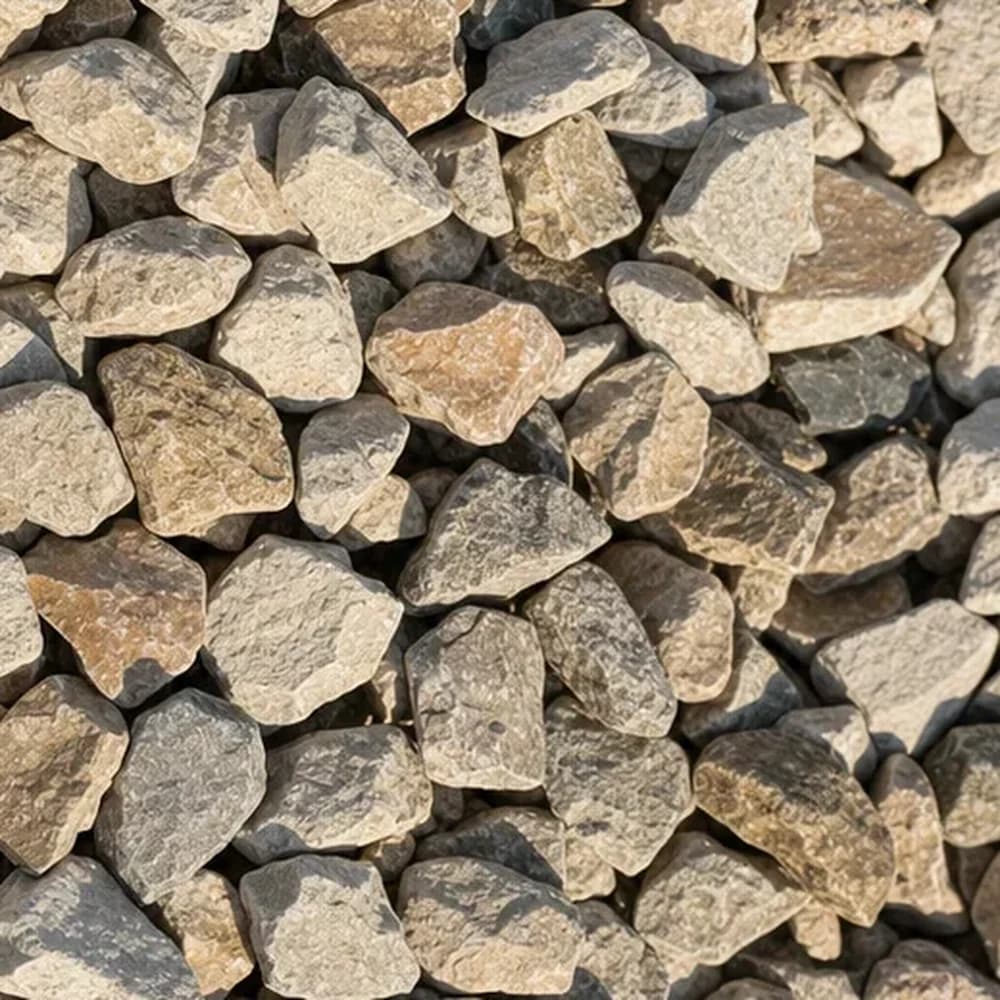
2B Stone
Skipping drainage beneath a driveway base invites trouble through Pennsylvania freeze and thaw. 2B Stone helps water move through angular stone. Size: Approximately 3/4 inch. Type: Angular crushed stone.
Free Delivery
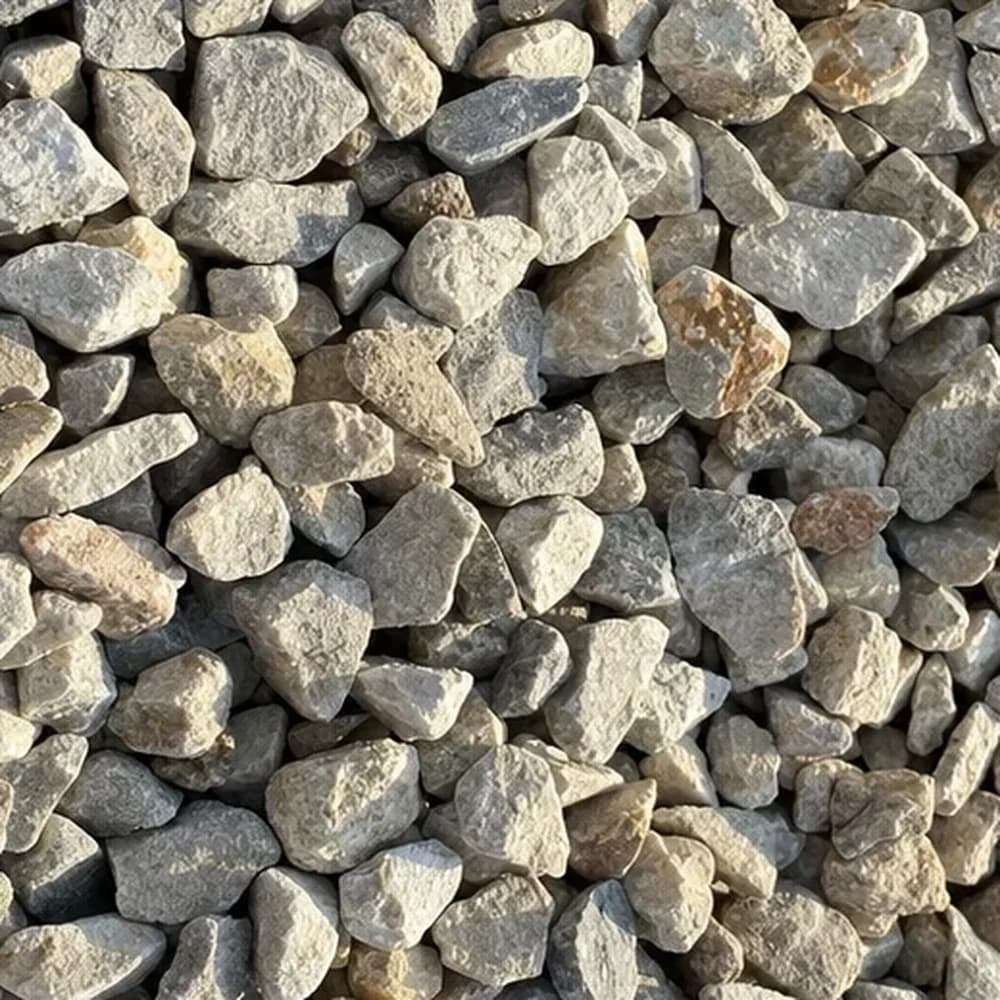
3/8" Crushed Stone
On a Pennsylvania driveway, 3/8" Crushed Stone provides a smoother finished surface over a prepared base and compacts into place. Size: Approximately 3/8 inch. Type: Angular crushed stone.
Free Delivery
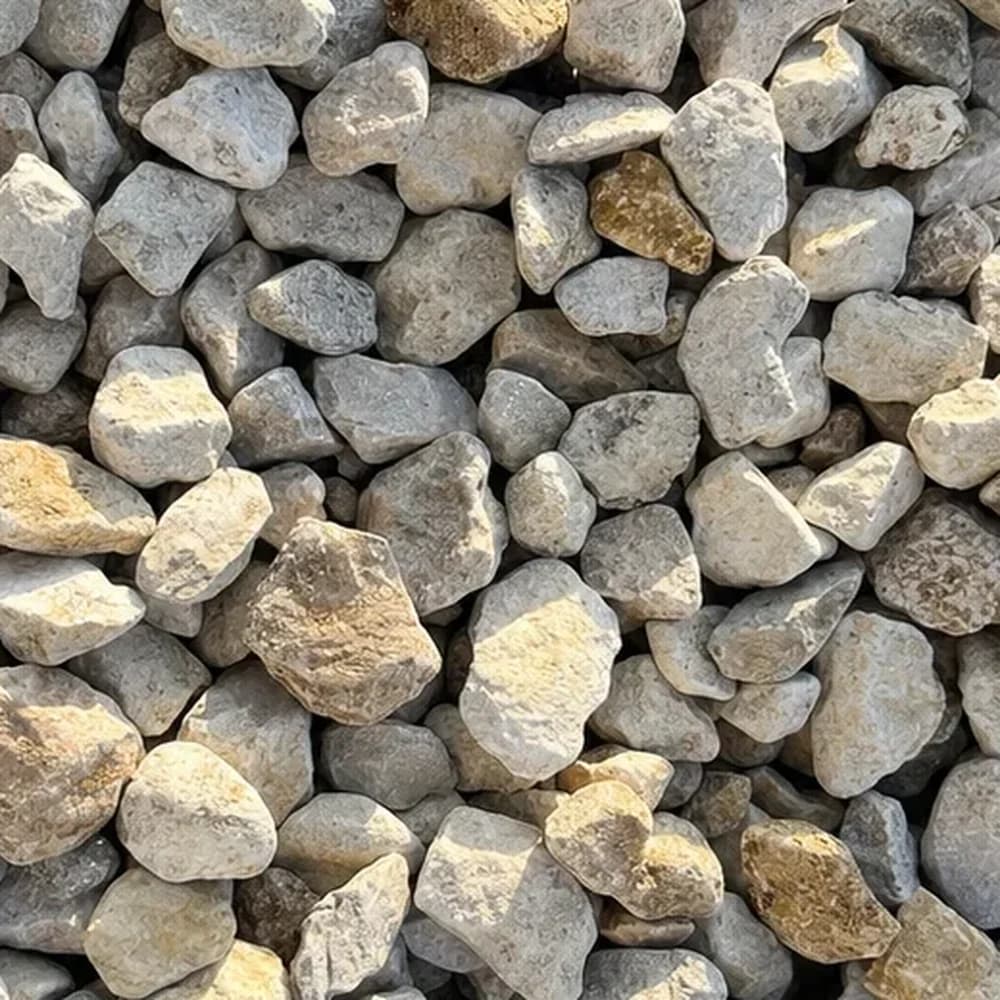
#57 Stone
Water held beside a Pennsylvania barn or equipment pad can cause trouble through frost cycles. #57 Stone leaves drainage paths available. Size: 3/16 inch to 1 inch. Grading: #57. Type: Angular crushed rock.
Free Delivery
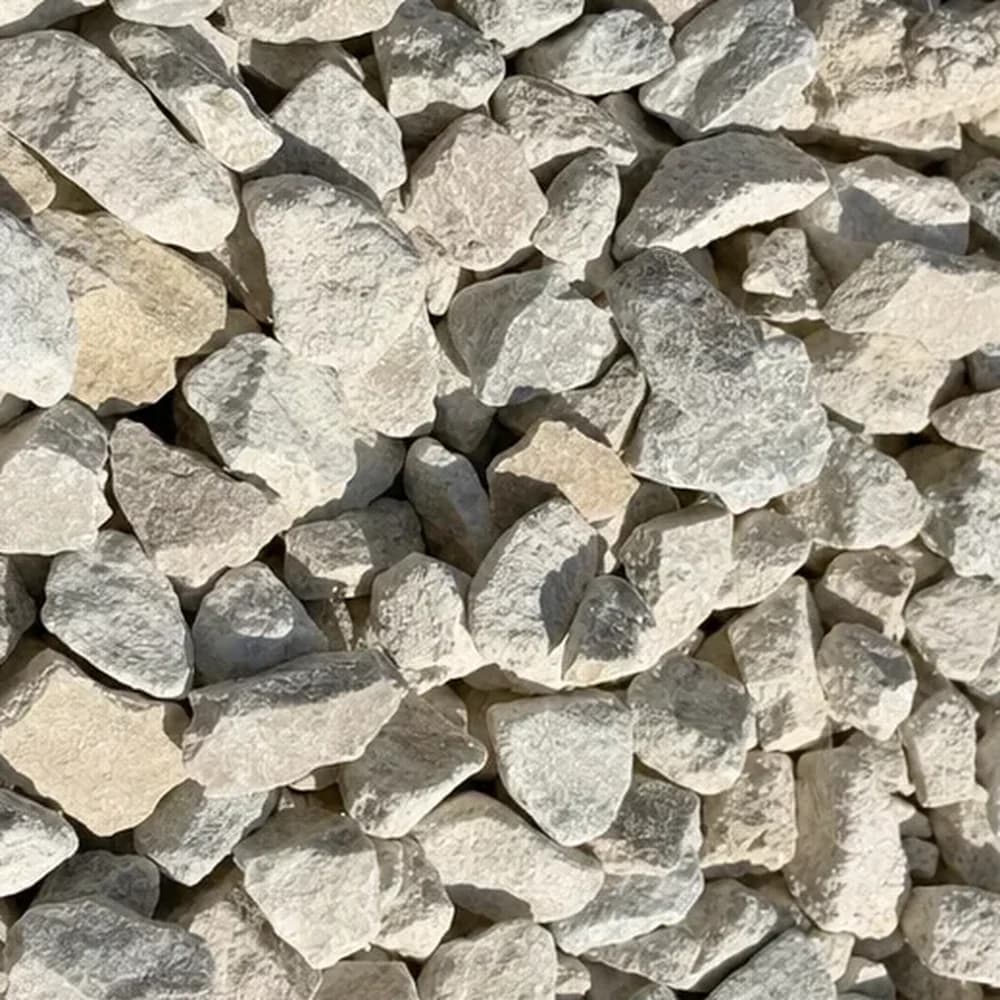
#67 Stone
#67 Stone suits Pennsylvania French drains, concrete work, and defined paths where water movement and a uniform surface matter. Size: 1/4 inch to 3/4 inch. Grading: #67. Type: Angular crushed stone.
Free Delivery
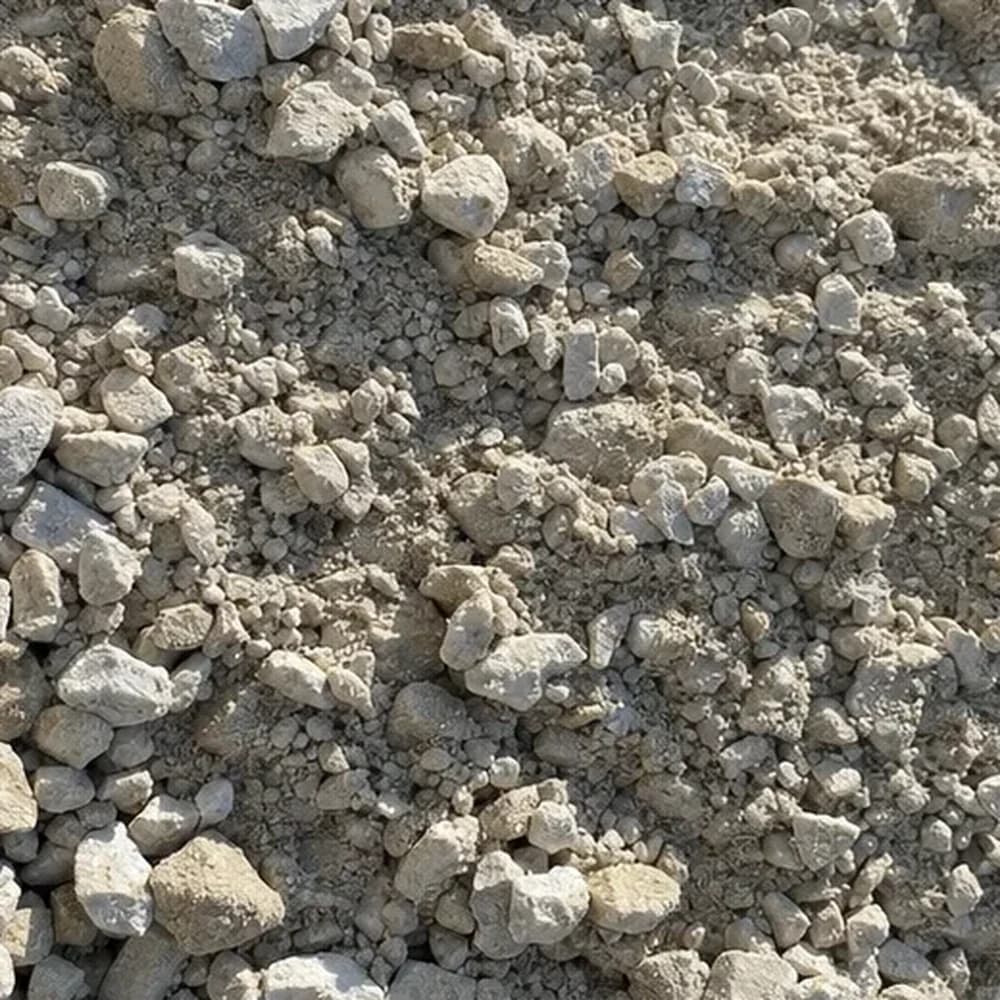
Screenings
Pennsylvania frost and rain make base preparation matter before finish work begins. Screenings form a firm, level bed for pavers and flagstone. Size: 1/4 inch minus. Grading: Stone dust and fine particles. Type: Angular crushed stone.
Free Delivery
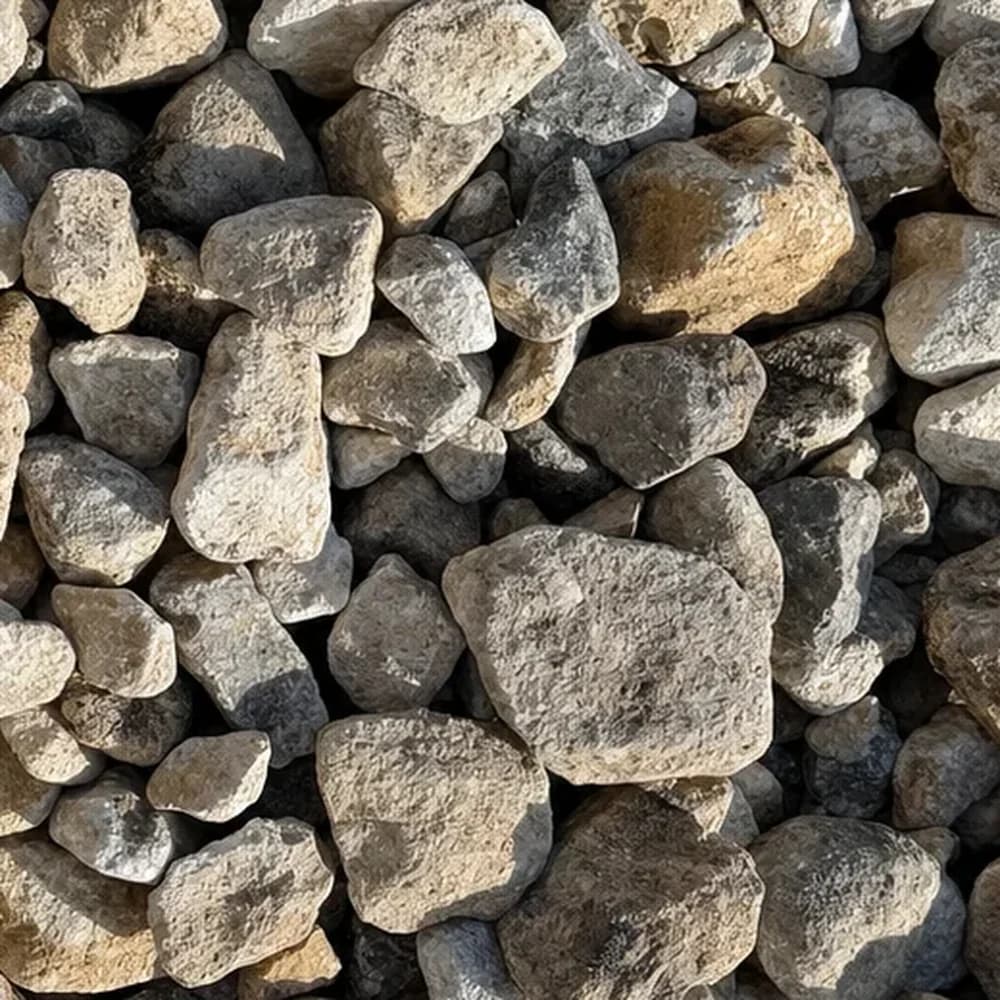
Drain Rock
At a Pennsylvania barn pad or French drain, Drain Rock helps keep water from lingering in backfill through repeated freezing and thawing. Size: 3/4 inch to 1-1/2 inch. Grading: Washed to remove fines and dust. Type: Rounded or angular varieties.
Free Delivery
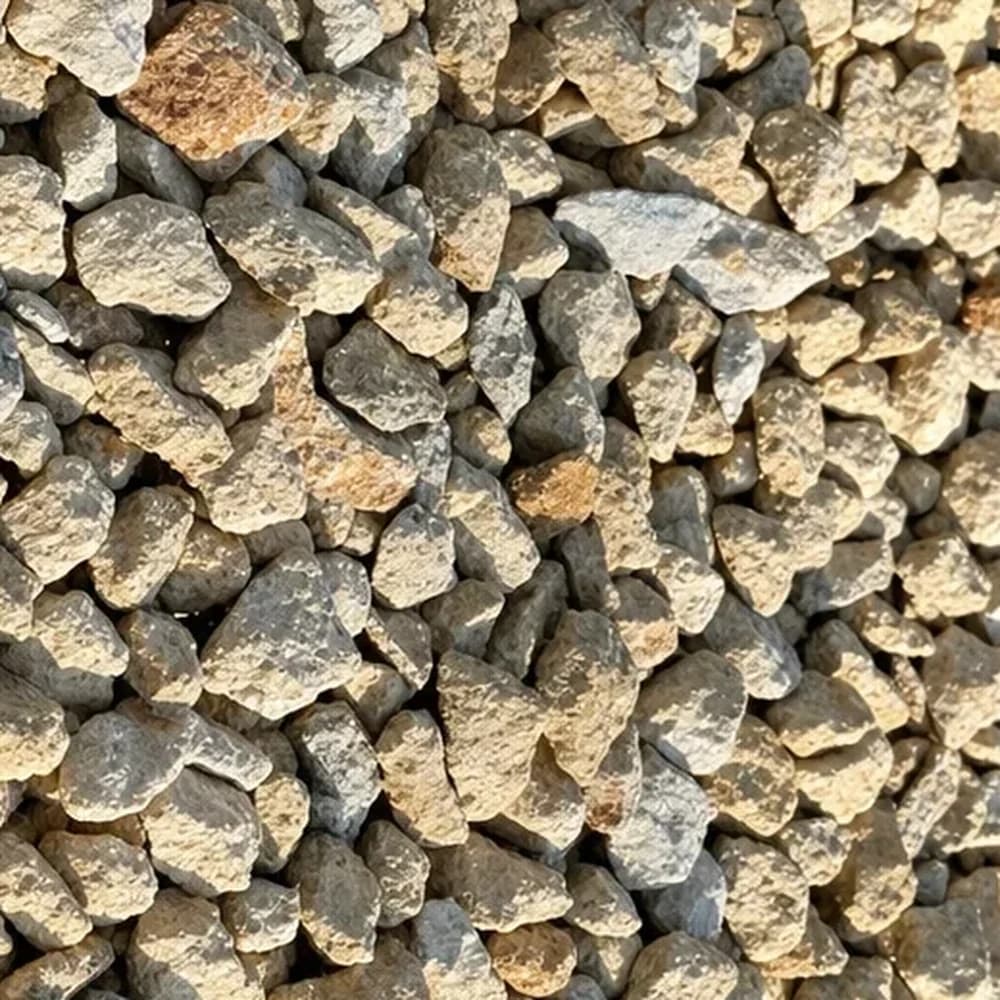
#89 Crushed Stone
For a Pennsylvania patio or walkway, #89 Crushed Stone fills joints and beds flagstone with a fine angular material that compacts into tight spaces. Size: About 3/8 inch down to fines. Grading: #89, carries some fines. Type: Angular crushed stone.
Free Delivery
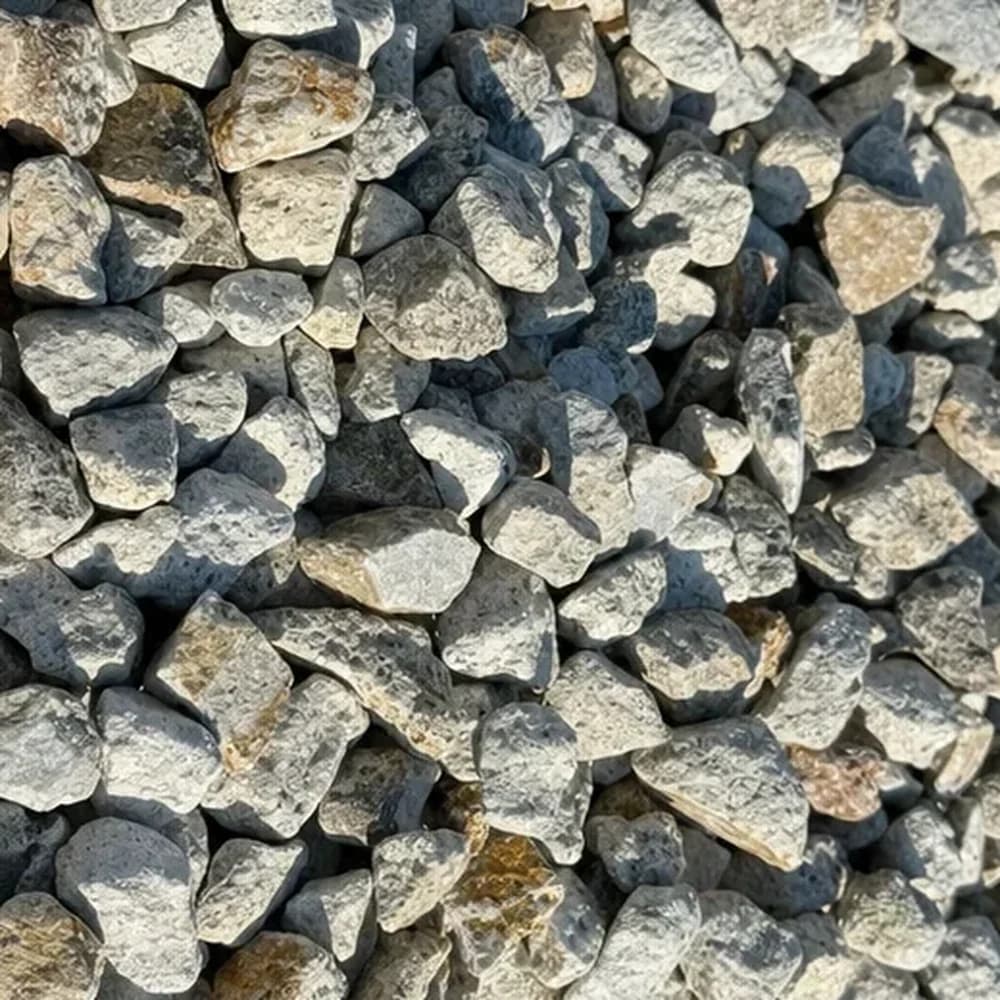
#8 Crushed Stone
Pennsylvania freeze-thaw conditions call for drainage planning that keeps water moving; #8 Crushed Stone suits pavers, drains, and concrete. Size: About 3/32 inch to 3/8 inch. Grading: #8, clean with little to no fines. Type: Crushed stone.
Free Delivery
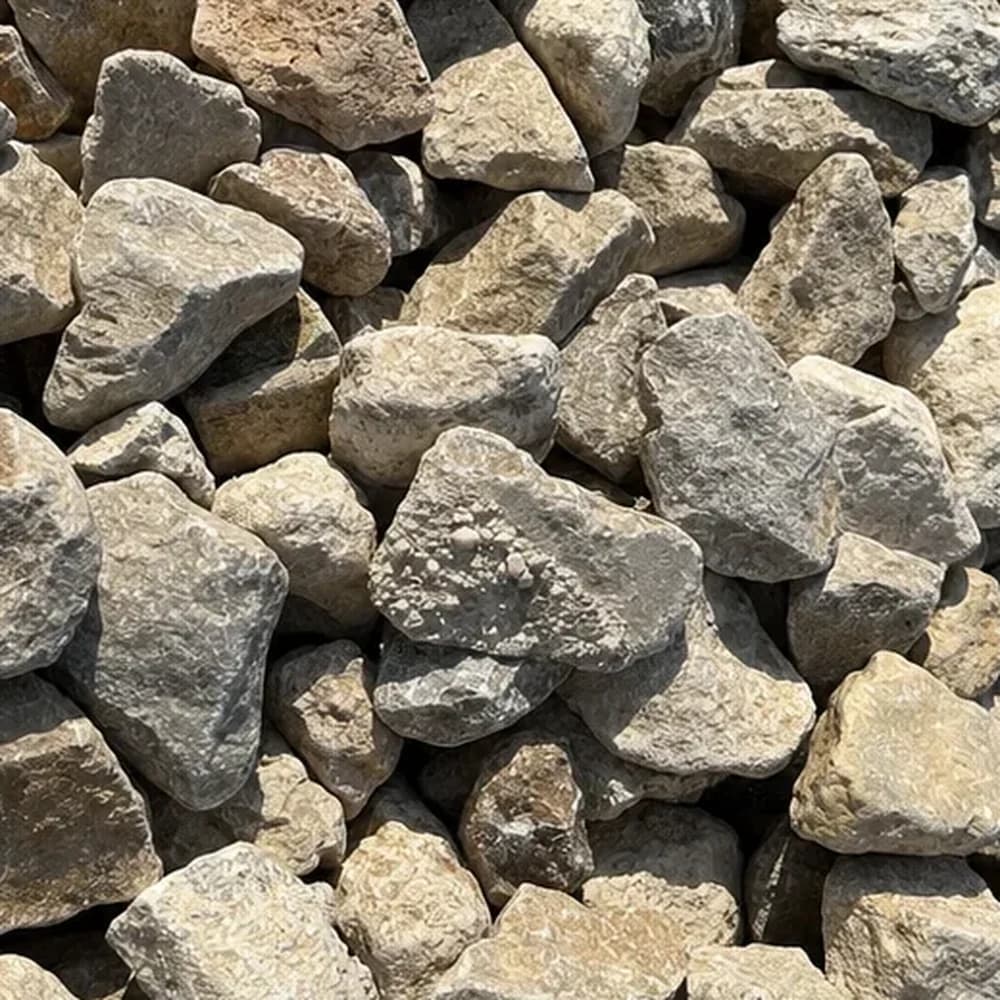
#4 Crushed Stone
Pennsylvania driveway bases need a path for water before winter sets in. #4 Crushed Stone forms an open, stable layer below traffic. Size: About 3/4 inch to 1-1/2 inches. Grading: #4. Type: Angular crushed stone.
Free Delivery
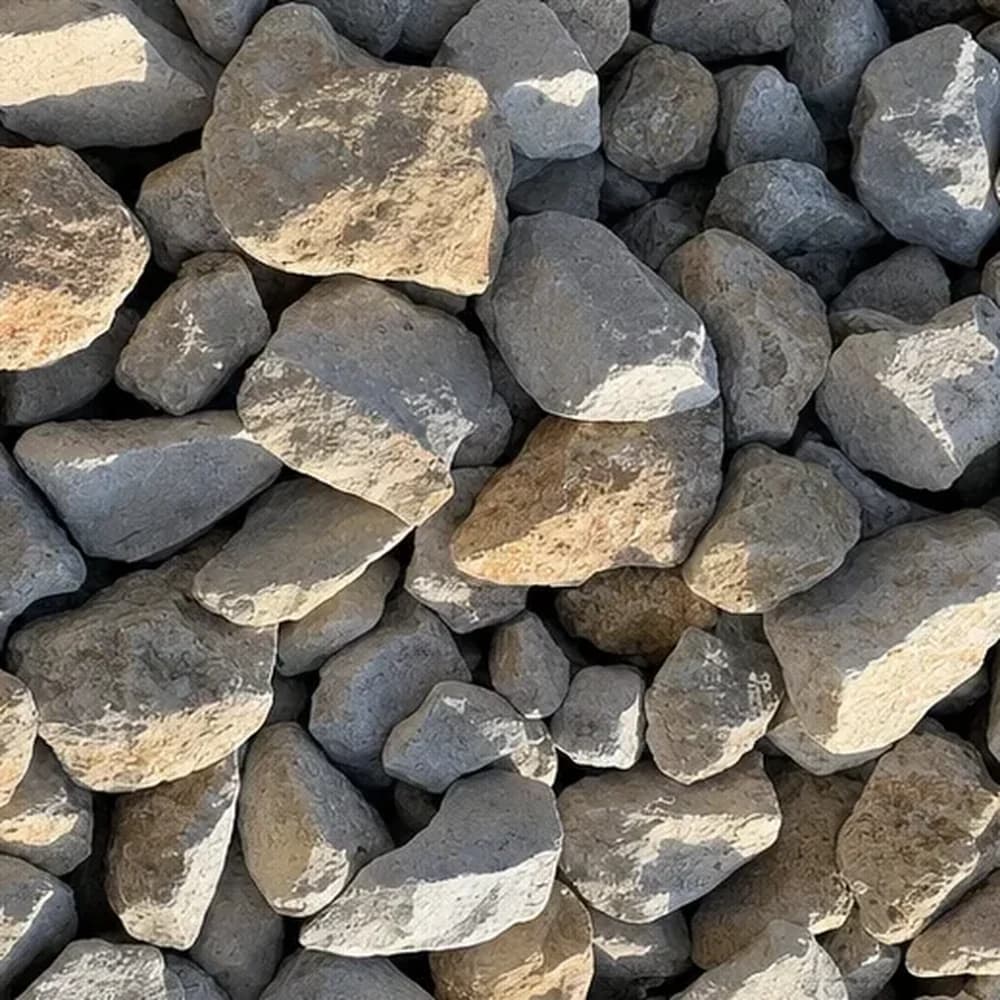
Railroad Ballast
For a Pennsylvania barn or equipment pad, trapped water beneath the base can bring fines upward after freeze and thaw. Railroad Ballast leaves an open foundation layer. Size: Roughly 1 inch to 2.5 inches. Grading: Graded to interlock under load while draining freely. Type: Large angular crushed stone.
Free Delivery
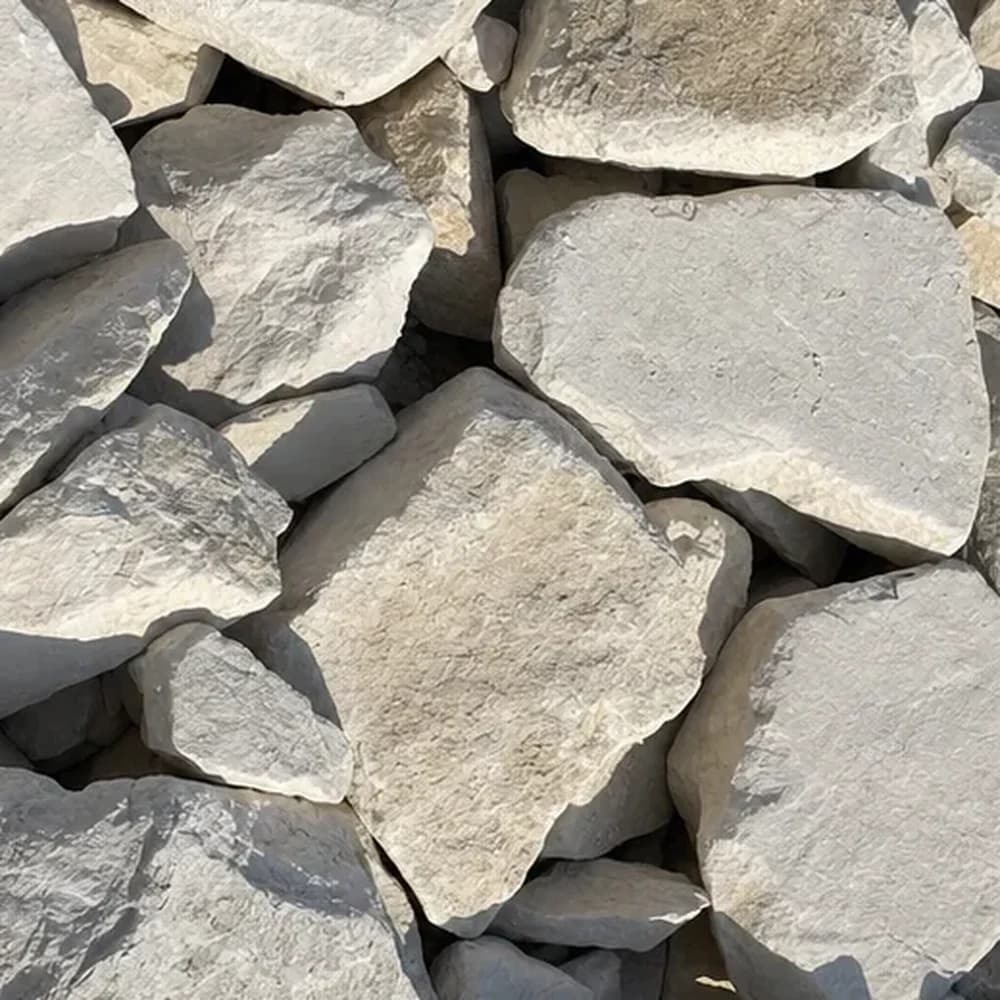
RipRap
At a culvert outlet or runoff path, RipRap belongs at the exposed ground a Pennsylvania build needs protected from water-driven erosion. Size: 4 inches to 12 inches and up. Type: Large, heavy stone.
Free Delivery
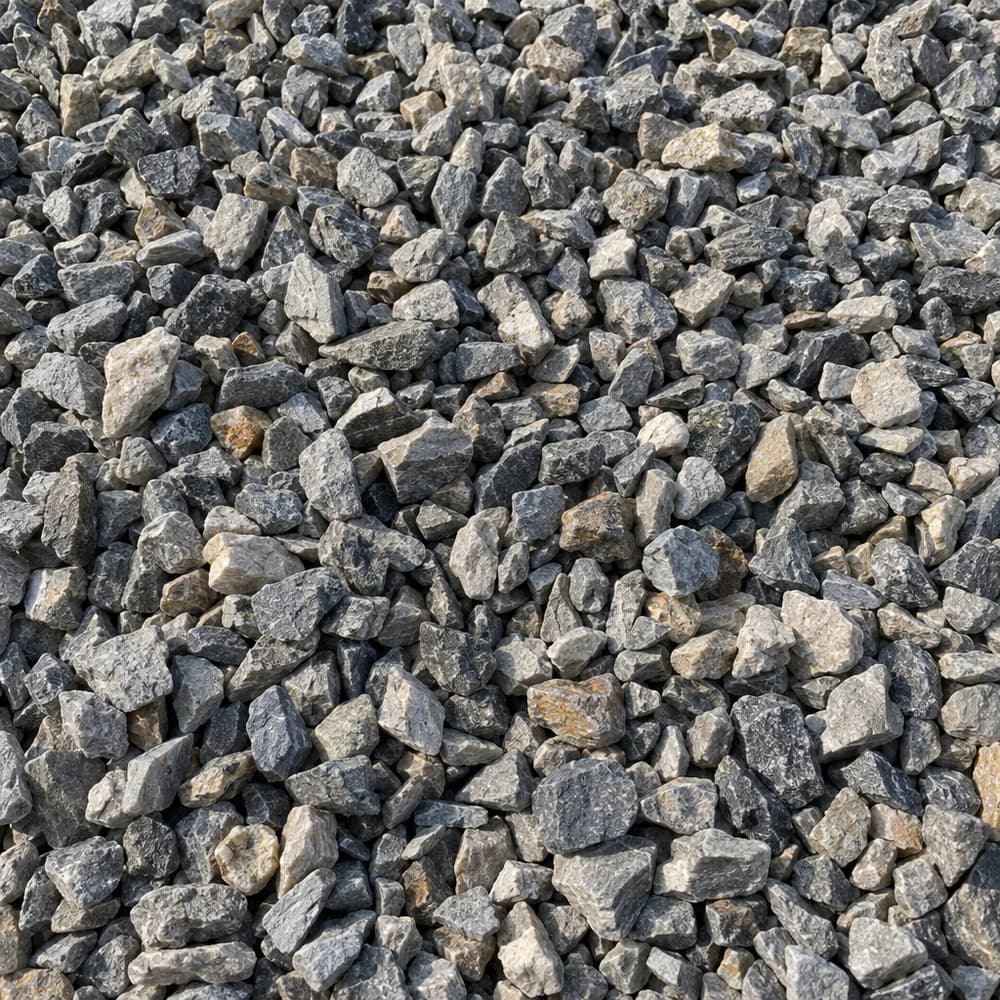
#78 Crushed Stone
Pennsylvania freeze and thaw can leave water trapped below a walk, so #78 Crushed Stone is useful where an open drainage course is needed. Size: About 1/8 inch to 1/2 inch. Grading: #78, washed with little to no fines. Type: Angular crushed stone. Supplied as: #78 or the closest local equivalent; we confirm the exact material before delivery.
Free Delivery
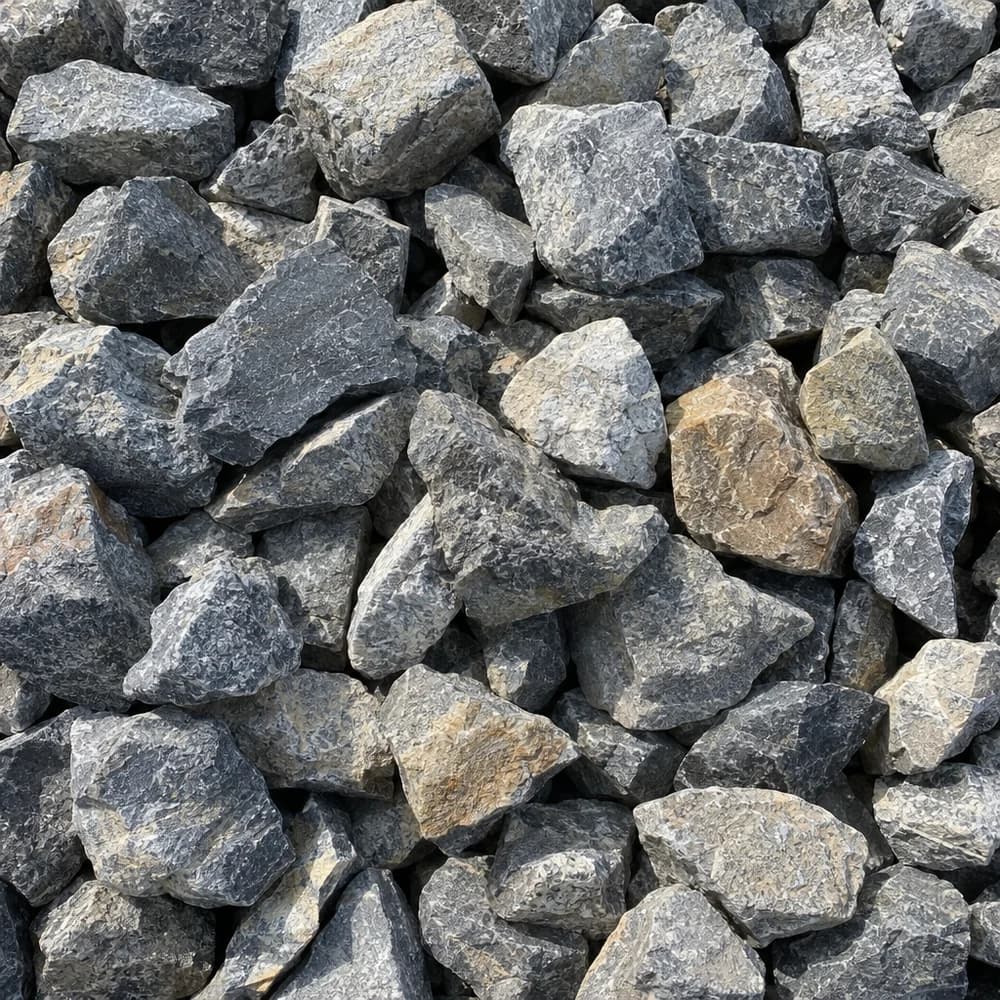
#2 Crushed Stone
Use #2 Crushed Stone beneath a Pennsylvania barn or equipment pad where water must leave the base before freeze-thaw can disturb the surface. Size: About 1-1/2 inches to 2-1/2 inches. Grading: #2, washed with no fines. Type: Large angular crushed stone. Supplied as: #2 or the closest local equivalent; we confirm the exact material before delivery.
Free Delivery
This is a long list to read through when what you have is a soft patch of lane and a tape measure. The quickest way in is to decide which of five families the job belongs to, because within a family the choice is mostly size, and between families a wrong pick undoes the work. Every listing below carries its size, grading and weight per cubic yard, and these bulk landscape materials are delivered by dump truck.
What goes under a drive, a pad or a shed floor
Fines are the dust and grit below a quarter inch. Left in the blend they fill the gaps between the angular pieces, so the layer compacts dense and spreads a wheel load instead of letting it punch into soft subgrade. 2A Modified at one inch minus is the standard base under drives, pads, shed floors and turnarounds here. Crusher Run at three quarter inch minus does the same job in a smaller top size. Driveway Gravel is the graded surface course that goes over a compacted base, and Walkway Gravel is the finer version for paths. Screenings at quarter inch minus is the bedding layer under pavers and flagstone. 2A is the number a local spec and a local yard write for that blend, and the listing carries the size and grading behind it rather than an approval.
Clean stone by the number, where water has to keep moving
Wash the fines out and the voids stay open. That is drainage stone, and it does not compact hard, which is the point. 2B Stone is the three quarter inch clean stone most trenches around here get. #57 Stone is the washed graded size carried under its AASHTO number; check the size and grading on each listing before choosing between the two. #67 Stone runs slightly smaller for French drains and concrete work. #8 Crushed Stone, the chip yards still call 1B, and #89 Crushed Stone suit joints, bedding and tight work. 3/8" Crushed Stone tops a prepared base. Going the other way, #4 Crushed Stone and Railroad Ballast form the open, coarse layer under construction entrances and equipment pads, and Drain Rock is washed material for backfill behind walls and around pipe.
Rounded stone for beds, and armor stone for moving water
River Rock at one to three inches and Large River Rock at two to four inches are water-worn and smooth, for borders, dry creek beds and anywhere the stone is meant to be looked at. 3/8" Natural Pea Gravel is the small rounded one for paths and play areas, loose underfoot because it never locks up. Where water is doing damage rather than decorating, RipRap runs from four inches up. Pennsylvania plans specify rock lining by R-number, R-4 for ditches and culvert outlets and R-5 to R-7 where a bank is cutting back; check the size and grading on the listing against the number on your sheet.
Two sands that are not interchangeable
Mason Sand is fine and uniform, washed clean, and belongs in mortar, stucco, paver joints and sandboxes. Washed Sand is coarse, for concrete mixes, bedding and leveling. Swapping them shows up in the finish: coarse sand in mortar is gritty, fine sand under a slab holds water.
Soil, fill and mulch for the last four inches
Fill Dirt makes up grade and fills holes, and it goes in before anything else. Top Soil is screened growing soil for the upper four to six inches of a lawn or a bed. Garden Soil is the compost-blended version for raised beds and planters. Shredded Mulch finishes planting beds at a two to four inch layer. Soil and mulch are sold by the yard rather than the ton, which the calculator handles for you. Delivery covers the route in and the drop spot before a quantity is committed.
Common questions
Does the catalogue sell by the ton or by the yard?
Stone, gravel and sand are sold by the ton. Soil, fill and mulch are sold by the yard. The unit is stated on each product page, and the calculators return cubic yards and tons together from one set of measurements, so you can order in whichever unit the listing uses without converting anything by hand.
What has to be clear before the truck brings any of this?
A route around twelve feet wide with no low branches or wires, firm ground at the drop spot, and a marked place to put the pile. Move cars and trailers out of the way first. On clay or on glacial ground in a wet spring, check the lane holds a boot print before you assume it holds a loaded axle.
How do I tell whether a listing has fines in it or not?
Read the grading line on the product page. Anything described as minus, or as a graded mix with binding fines, has the dust left in and is built to compact: 2A modified, crusher run, screenings. Anything described as clean or washed, or carried under an AASHTO number such as #57, #67 or #8, has the fines taken out and is built to drain.
How thick should the base go for a car drive against a truck pad?
Driveway work on the calculator depth guide starts around 4 inches of compacted base, which suits a car over firm, draining ground. A pad carrying a truck, tractor or loaded trailer needs a thicker section put down in lifts and compacted between them. On soft clay the figure goes up again, and the drainage underneath matters more than the extra inch on top.